
Demna appointed to direct a new era of Gucci
Is Gucci’s reign set to soar again with Demna’s promotion? Ruby tells us all, diving into the stakes of legacy, power, and reinvention…
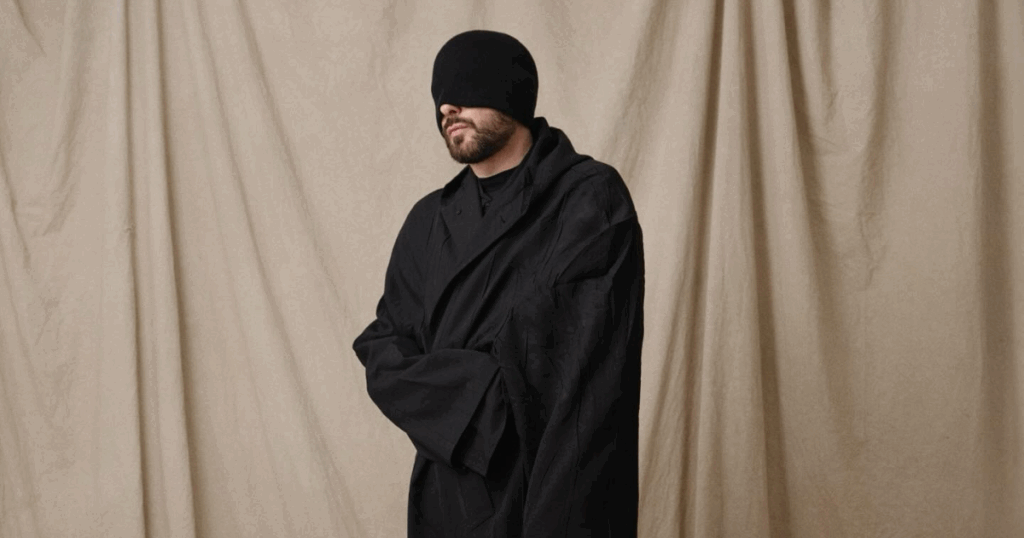
Image credits: Spotlight
It’s nearly spring: fashion week is almost over, quarter one is coming to a close, and Gucci announces that Demna, Artistic Director of Balenciaga since 2015, will step up as their new artistic director as of July 2025. It’s no doubt this forward thinking, culture defining design mogul achieved greatness at the helm of Balenciaga, but how will he bode steering an Italian ship headed towards disaster?
Known for his controversial designs, Demna provided Balenciaga with the brand identity it needed to become what is, arguably now, one of the most popular fashion houses in the world. Known for his oversized, dramatic silhouettes, fusion of high fashion with streetwear culture, and disruptive collection concepts, the Georgian designer has without a doubt brought Balenciaga into the modern of age fashion in the media, and catapulted the brand far beyond its traditional identity, rooted back in the realms of timeless luxury and sophisticated wealth. Brand awareness catapulted ahead of his appointment, with a 44% annual growth just between 2020 and 2021, and let’s be honest, it’s down to Demna and his love of a little press controversy.
From his first fall collection in 2016, which sought to reinvent ‘sophistication’ and ‘transform how women felt’ through a modern utilitarian wardrobe, Demna was clearly bringing androgyny and psychology to once feminine preservative designs; Balenciaga was about to get a whole lot more grunge than had ever been entertained before. The collection dabbled with dramatic structures, and experimented with day-to-day garments in a haute couture environment: it was indeed a step towards Balenciaga under Demna, but what the director had planned after this initial collection was sure to spark far more than a few good reviews.
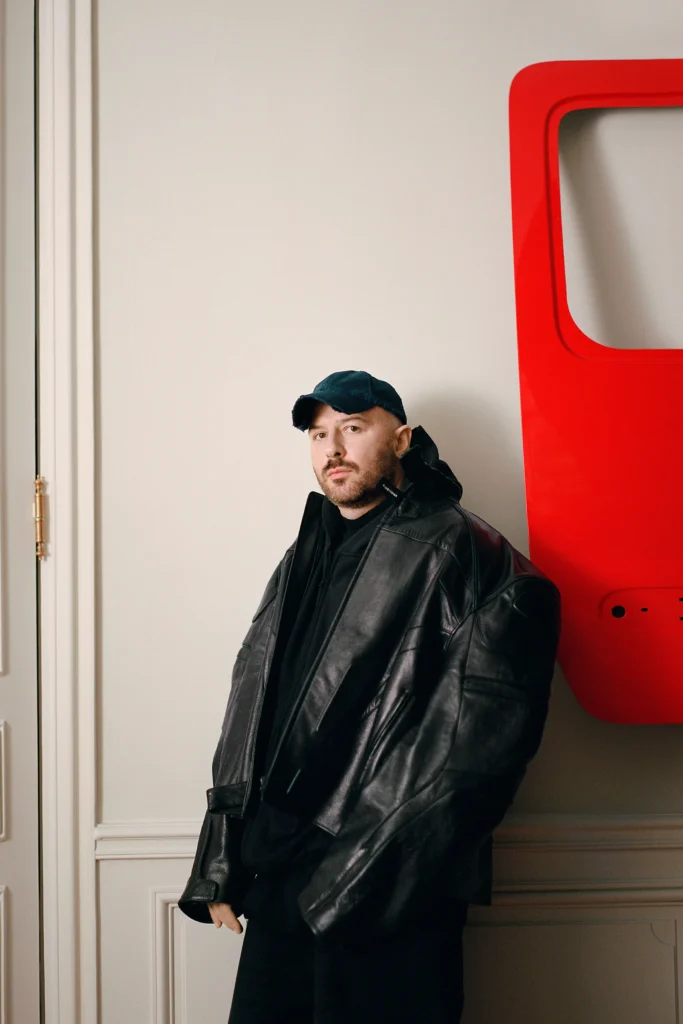
Known for challenging ideas of luxury and status, his disruptive designs have been consistently controversial and labelled nothing more than items with shock value. From the infamous $2,415 Ikea lookalike handbag (practical? Sure. High-end status symbol? Maybe. Worth the extra $2,414 than the furniture giant’s tote? Absolutely not.), to the trash bag collection of 2022 (accused of commodifying everyday essentials), it is undeniable that Demna set out to bring the brand to the very front of the media’s awareness. Of course, there’s controversy that went beyond garbage bags and Ikea doppelgängers, like the 2022 campaign featuring young children holding teddy bears, dressed with chains an bondage. The campaign was criticised by countless publications and news outlets, accused of exploiting children and promoting sexualised imagery to sell goods and products: the Balenciaga took ‘responsibility’ for ‘a series of grievous errors’ after battling a £21 million pound lawsuit, but, lets face it, this was a small amount of damage control for Kerring to pay in exchange for the media coverage Demna was desperate to achieve.
Though he was controversial, the director expertly harnessed the power of Gen Z audiences, online publication platforms and social media comment sections to locate Balenciaga next to the most unforgettable, groundbreaking and culture shifting fashion houses of the century. Demna used popular culture to grow brand awareness, producing styles that were intriguing not only for celebrities like Kim Kardashian, Nicole Kidman and Justin Bieber, but for the regular social media user.
From the Met Gala to Movie Premieres, and countless fashion week shows in between, Demna captured the attention of masses; blazers to ball gowns, Erewhon collaborations to eyewear inventions, he perfected the styles that get us talking. Balenciaga really began to integrate between the crevices of popular culture and high fashion, but is this what we can expect for the future of Gucci?
The brand, rooted in traditionalist Italian heritage, has seen bold designs of flamboyant tailoring and eclectic styling ebb and flow with the demands of the modern buyer, however in most ways it feels as though Gucci has remained relatively true to its design roots. This urban dolce vita style was honoured by past directives like Tom Ford and Allessandro Michele, but Gucci’s messaging has become increasingly blurred behind the mirrors which reflect alternative demands from a modern audience. Not only have Gucci attempted to price up amid a tumble in profits, with a loss of 23% just last year, but dabbles in luxury streetwear have recently been criticised, and with Gucci perhaps seen to be slipping into an over-commercialised aesthetic, the brand is begging to be hauled back up by the reins of a creative director who has the experience to lead it into a new era of luxury innovation.
The question lies, will Gucci simply enter a world of Balenciaga/Demna/Gucci fusion, or will Demna develop his current creativity to fit within the identity of an entirely different brand. We know that Demna can design what both audiences and customers want to see, but, as Gucci currently sits on issues of over-saturation, losses of exclusivity and inconsistent messaging, can he implement a design strategy that both honours the past, whilst bringing the brand into the future? I’m sure the heads of Kerring are eager to watch Demna nurse Gucci back to the Haute Couture headliner that it once was, but after shares in the company dropped 12% on the day the director was appointed, he may need more than modern day media antics to to put Gucci back on top.