
University of Leeds’ Nexus Plays an Integral Role in the 2026 ClimateLaunchpad Programme
The world’s largest green business ideas competition, ClimateLanchpad, takes pride in helping applicants in their first steps to enlarge their initial ideas into a sustainable business, which is further constructed into a plan that aims to positively influence our environment. Since 2014, this competition has been running every year, during which there have been more than 5,400 teams supported across the world in an effort to tackle the most pressing and prominent issues that the surrounding environment faces on a global scale. Upon compiling ways to successfully uphold the idea which is first presented, developed by aspiring entrepreneurs, this is supported with a series of online courses and further training, imploring teams to take their idea to the next level with a chance to present this on a global scale.
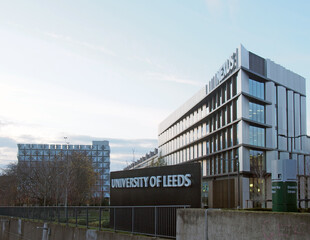
Nexus, which is the innovation hub for the University of Leeds, has been working collaboratively with the Priestley Centre for Climate Futures throughout 2026 with the collective goal of bringing together both the worldwide competition and Leeds’ very own team of entrepreneurs and climate specialists. The criteria used to sift the applicants down from the original 97, to 11 and then to 3 was as follows: the technological potential, its potential in business and marketing as well as innovation, the effect on the climate and the overall strength of the team that had presented the idea.
Earlier this year, Nexus organised a bootcamp that stretched across two days for the remaining successful teams which displayed training related to the plan for marketing, motivations supporting the idea and the impact on the environment and overall climate. Through this course of coaching, business ideas were deliberated and strategies were enhanced in preparation for the UK National Final, during which, a team of industry leaders went on to choose the three UK winners.
Oltricx, who developed enzymes from AI designs to cut back on CO2eq emissions, was awarded first place out of the three successful winners. Behind them, Silica Labs came in second place after displaying their biophotonic materials, used as a way to shield industrial workers from extremely hot conditions and cool their work spaces. Finally, there was Vanadion occupying third place, with their idea to eliminate the chemical element, vanadium from the streams, in an attempt to increase its production in a way that produces as little waste as possible.
Out of all the teams backed enthusiastically by Leeds’ support, two went on to reach the final eight, while two teams from both Germany and Turkey went further to secure their position in the Global Final. The role Nexus had in this prevailing movement to inspire young entrepreneurs and attract potential investors acts as a critical component in the collective target of restoring sustainability and protecting the environment. The array of opportunities crafted with the help of professionals in the field and the endless talent paired with overall teamwork displayed by young adults in this sector exhibits the necessary fuel we need as a society to tackle and overcome the adversity presented by an otherwise declining climate. By coming together to form a collection of new and sustainable ideas, these are the first steps in securing a clean environment and ensuring that new technology can be developed and adopted by the following generations of aspiring environmental entrepreneurs.
Words by Anna Shepherd