
US dock worker strikes: a summary
Sam Edwards details the recent goings on with the US dock strikes and the significance of union action.
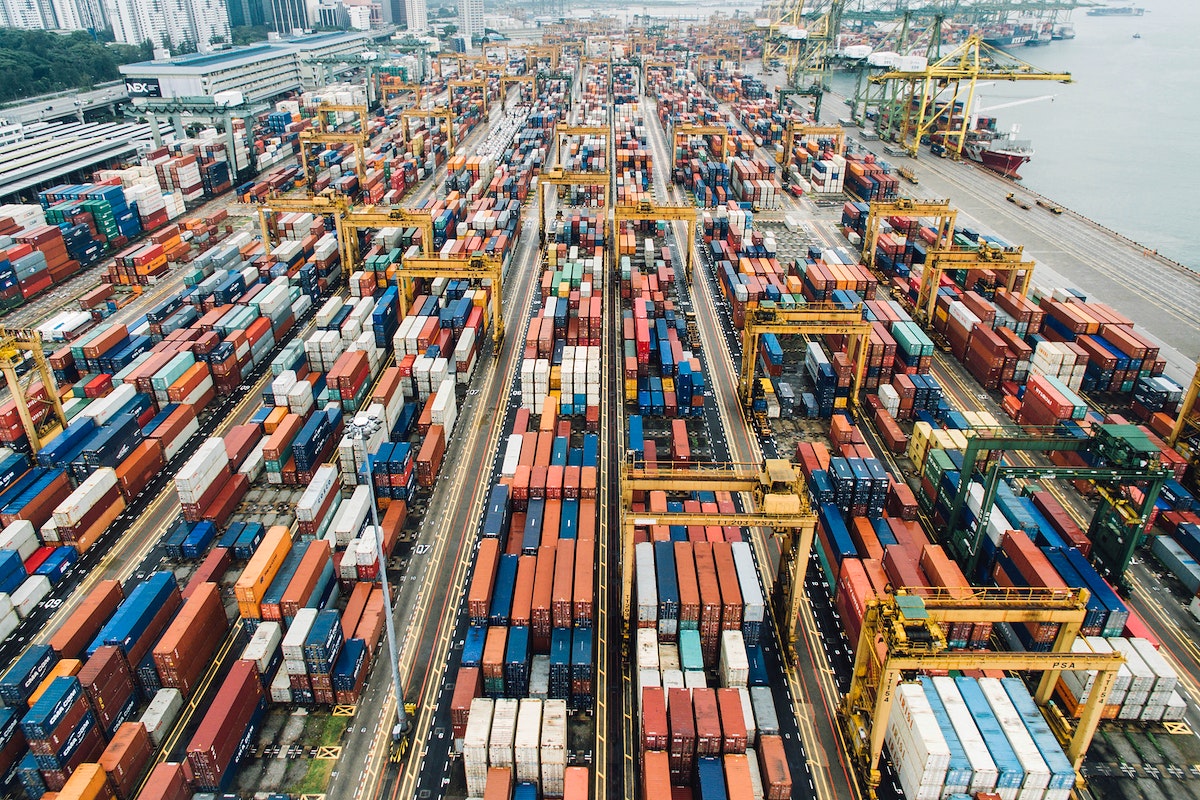
Image Credit: rawpixel.com
On 1 Tuesday October 2024, 36 ports and 47 thousand dock workers across the USA ranging from Maine to Texas, began to strike. This strike was estimated to deal 5 billion dollars per day in damage to the American economy due to the stalling of shipments and goods in and out of the country. Leading the strike were the International Longman’s Association (ILA), against the United States Maritime Association (USMX). Lasting three days, the strikes temporarily ended after a 62% pay rise was agreed. This prevented widespread national and international economic damage. For the first time in almost 30 years, the labour unions have taken drastic action and managed to win. This has set a powerful precedent in the USA, which historically has resisted drastic union action, and reminded the USA of the power of their unions.
The strike began due to concerns over pay, as well as fear of workers’ jobs being replaced by automation. This automation would take the form of heavy machinery such as cranes, as well as technology which can track inventory without requiring a worker to do so. The last time the ILA started a major strike in the USA was in 1977 over similar concerns over large shipping containers, which reduced the need for workmen to unload the crates. In addition, they have raised concerns over being recorded via camera whilst working, claiming it creates an unsafe work environment. Before the strike, the lowest paying entry level dock worker would on average be paid 81 thousand a year, or 20 dollars an hour. However, according to a study by Jacelyn DeJohn, the average American requires over 90 thousand a year to live comfortably. Harold Daggett, the leader of the ILA, has stated that these pay rises are primarily for these lower paid dockworkers, with particular focus that their hours are inconsistent, meaning any level of consistent pay or pay rise helps to keep the workers afloat, especially with recent inflation in the US.
In the US, it is estimated by the Bureau of Labour Statistics that 11.2% of Americans are members of a union, whilst according to the Department of Business and Trade, 22.4% of the UK were members of unions in 2023. Having half the per capita union membership as the UK, the power of the union in the US is weaker. It has been a long time since their last major labour union action, the last being in 1997 by the UPS postal service, costing the company 600 million dollars. However, Harold Dagget seems determined to remind America of the power of the worker, stating: “We’re going to show them, they’re going to have to give a f*** about us, because nothing is going to move without us!”. This sentiment, though expressed less colourfully, is a similar sentiment expressed in the frequent train strikes here in the UK, as well as the recent nurse and doctor’s strikes. Whether this will prompt further Union action from other labour unions in the US is currently unclear.
This strike has had a range of estimates as to the impact on the American economy, some figures such as those suggested by Grace Zimmer estimating it would cost 4.9 billion dollars a week, and others such as J.P Morgan suggesting a figure of 5 billion dollars a day. At worst then, this means the strike cost the American economy 15 billion dollars. Having been resolved in a matter of days, analysts do not believe it will have a long-lasting impact on the American economy. However, the temporary end of the strike expires on the 15th of January. Should concerns about automation and the working environment not be sufficiently addressed by then, it is entirely possible that the American, and possibly global, economy could once again be thrown into jeopardy.
The timing of the strike was significant. Coming just a month before the 5 November 2024 presidential election, the timing put pressure on the White House’s response. If they responded poorly, it could have led to significant damage to Vice President Harris’ campaign. The White House took no action to end the strike, though did urge both sides to resolve the matter quickly. The president in cases like these does possess the power to place an 80 day pause to strike action during negotiations if the strike affects a national service, such as the ports. Such a power was enacted in 2002 by President Bush to stop a strike by a different dock working union. However, Biden in 2021 promised the unions that he would be: “the most pro-union president leading the most pro-union Administration”. The president kept to this promise by not ending the strike prematurely, allowing these dock workers to negotiate their pay rise. For this, Biden, and notably Vice President Harris do not appear to have lost the support of the unions. The ILA have not yet endorsed Biden or Harris during either of their 2024 campaigns, though they did endorse Biden in 2020. This comes after it has been revealed that the ILA’s head, Harold Daggett, possesses a prior relation with the Republican candidate Donald Trump, though he has not chosen to endorse the republican candidate in the 2024 race.
With some luck, and fruitful negotiations, the strikes should not resume in January. Washington Post Opinions Columnist Heather Long claims, “Disputes like this can set a precedent for what happens when machines come for all kinds of jobs.” With an outcome that seems to favour the worker and their unions so far, it appears as though America’s unions remain strong, and that future negotiations in several sectors that will be affected by AI and automation will have a good foundation for how to conduct themselves.
Words by Sam Edwards