
The Hunna Interview at Y Not Festival
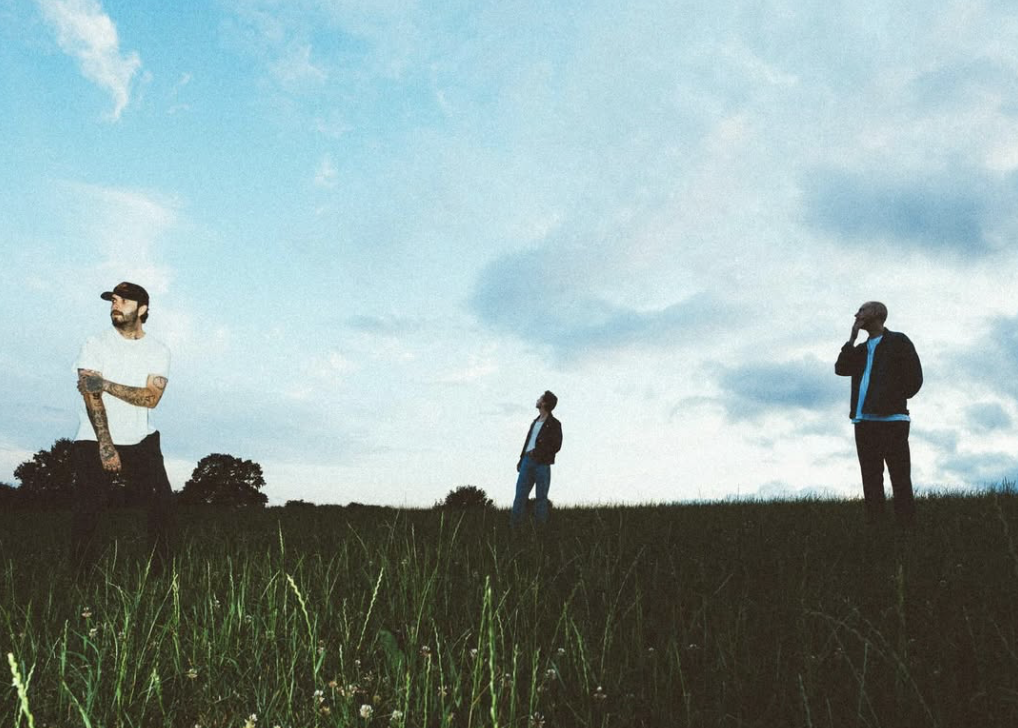
@thehunnaband on Instagram
Pop-Punkers The Hunna have had an interesting few years to say the least. Struggles with former labels, not releasing new music in several years, and the struggles of being independent artists have all taken their toll on the band. Despite this, they have kept going, signed with a new label, put out new music and are now back and better than ever, playing on Y Not’s main stage.
The Gryphon had the chance to interview them about being independent artists, discuss independent venues closing, and how it feels to be a pop-punk artist at this year’s festival.
Gabe: So, I’m here with The Hunna. How are you guys?
Ryan Potter: We’re very well, thank you, cheers.
Jack Metcalfe: After rocking out!
Gabe: You did, you did. On The Big Gin Stage! So, you guys are a little bit more pop-punky, a little bit heavier than some of the other artists that are on this lineup. How do you feel about playing a festival with a diverse lineup? Do you have to adjust your set based on what you think the crowd would best respond to?
Ryan Potter: Sometimes I think our band is very versatile to kind of go anywhere we go, really, from all of our albums. We can kind of pick songs for different vibes and elements, but we love to go to festivals, or wherever we go, and just do our thing and hopefully blow people away. It makes it even better for us, because like you say, we’re very high octane energy, we’re a bit heavier than the other artists here today, which I think stands out in many ways, so it’s nice. We just like to go everywhere and make a statement and then hopefully make some new fans and have a good time.
Gabe: Cool. Now, speaking of that diverse sound, you recently dropped your single ‘Hide and Seek’, and it’s an updated, energised version of yourselves. How did that come about?
Jack Metcalfe: We, as a three, just kind of jump in the studio and see what works. We listen to so many different bands and artists, and I think energy for us is very important because that is what we are live. But I think we wanted to kickstart this EP campaign with an upbeat number. We’ve got a lot of dreamy stuff in the new stuff that’s coming as well. It’s a mixed bag. I don’t know, it’s kind of all of our tastes mixed into one with the new music, so again, we’ve got heavier songs, we’ve got quicker songs, but at the same time, it’s quite a refreshing upbeat song. It’s hard to explain.
Ryan Potter: Like you say, I think it’s not just ‘Hide and Seek’. I think all the music we’re kind of doing at the moment is a refreshed, refined, new version of where we’ve been before, plus where the journey’s taken us. I think it’s a good full circle of accumulating everything that The Hunna is.
Gabe: Perfect. So, you just mentioned this new EP. You obviously haven’t put out an entire album since the 2022 self-titled!
Ryan Potter: Yeah, it’s crazy, time flies.
Jack Metcalfe: It’s been a long time since we dropped new music.
Ryan Potter: I know, it’s mental.
Gabe: Time does fly, doesn’t it? And as I said, you’ve come back with this reinvigorated energy. Do you think that the time away helped you guys figure out what you wanted to do?
Jack Metcalfe: It’s so important as a band because it doesn’t happen overnight, and like, obviously, it’s not easy for a solo artist, but you have one person to kind of know where I’m at, I know what I want to do. Whereas a band it’s eclectic. There are so many different vibes, everyone’s got different ones, and we’ve got more than just our three instruments as well. So for us, we get in the room and feel it out really and jam and kind of take it back to when we first started as a band. Just jamming in a room, having fun a bit, and you never know where it’s gonna go.
Ryan Potter: The time away from releasing an album is definitely important, I think, for a band or any artist. Nowadays in the music industry, labels and just the industry itself want to do is just continuously keep you releasing albums, really, because it makes them the most money. But as a creative, you’re not gonna get your best work from that. You have to live life right. That’s where the music for us, anyway, comes from and stems from. You need to take some time out to just be with yourself, experience stuff, and then you create from those experiences. So I think it’s definitely important, and I think it’s good that we had that time away.
Daniel Dorney: We were grinding for a really long time, and we’re such determined people. We’ll take on any challenge, any problem. But we did need it. We needed a chill. You know what I mean?
Ryan Potter: It’s been hectic from when we first started in 2016. There hasn’t really been time apart, apart from Covid, because that was forced. But if Covid didn’t happen, like we would have gone from 2016 to now, you know, tour after tour after tour, album after album.
Ryan Potter: So it was, you know.
Jack Metcalfe: The chapters of your life. I think that’s how we look at them. We’ve grown up a lot from even the fourth chapter album for 2022. We’ve grown so much since just then.
Ryan Potter: So much has happened.
Jack Metcalfe: Let alone the first album.
Daniel Dorney: We’re human as well. Sometimes you’ve got to remember you need a break from stuff sometimes. You think you’re superhuman, but you’re not. You know what I mean? If we just kept doing it and doing it and grinding and grinding, we’d be like broken people right now.
Daniel Dorney: Mentally and physically.
Jack Metcalfe: And you’re just churning it out for the fatigue or whatever.
Ryan Potter: Because yeah, you’re doing it because you have to do it, because you feel like you have to, whereas it’s been good because now even with the EP and the stuff we’re writing, where we’re just doing it in our own time, on our own terms, just us, no outside noise. So whatever comes out, comes out. If we all connect with it and love it, then awesome.
Gabe: You spoke a little bit earlier about how ruthless not only the music industry is with labels, I know you guys had some issues with your previous label, but also the state of the scene right now is a little bit tumultuous. How do you guys feel about all of the independent venues and whatnot, like Leadmill, closing? How does that, as a band, make you feel?
Ryan Potter: It’s sad to see, because again, they’re where we cut our teeth and where we gained experience and built our fan base. They’re such great venues, and they have such a special vibe and energy to them. They’re very integral to the future of new bands and artists coming through.
Jack Metcalfe: We played them all.
Ryan Potter: Yeah, we played them all, a lot of them. Even in the past year or two, like the last tour we did was with Music Venue Trust to support grassroots venues, to give money back there and to try and help in any way we can.
Jack Metcalfe: It looks like they’re going to close no matter what, which is the saddest part of it, because where are young bands like when we started going to play? I mean, that’s the number one rule.
Ryan Potter: It’s not just even music, it’s just life in general. It’s just corporations and elite trying to take over as much as they can to make as much money and shit on everyone else, you know?
Daniel Dorney: The thing, music is art, it’s expressive. It needs a stage, and it always has and it always will. If we take away the smaller venues, we could potentially be taking away the next biggest act, the next David Bowie, do you know what I mean? Like, it’s insanity. It will become big corporations, big venues, and you’ll have to be on the label with money, and money to play gigs, to get exposed.
Daniel Dorney: It’s just wrong.
Ryan Potter: There’s just less and less opportunity.
Daniel Dorney: Some people aren’t rich, and people deserve an opportunity to be able to get on stage and perform.
Jack Metcalfe: And it’s already very heavily online as it is. So if you take away physical, and also just people meeting people, do you know what I mean? Or like someone might not have any mates and goes, you know what, well I’ll go down to the Key Club, for example, and I’ve ended up, you know, my friendship group is from the Key Club. So again, it’s not even just the artists, it’s the people and the fans that go, what the hell are they gonna do? And it’s all so online already. The physical, in-the-flesh stuff, is so precious.
Ryan Potter: That’s so integral to music, the connection is what it’s all about.
Jack Metcalfe: We hope that it doesn’t continue to go that way. We’re trying to fly the flag, even with selling physicals like merch and vinyls and stuff. All that is kind of dying because it’s a domino effect. So we’re trying to fly the flag, support the venues, but also still give people physical stuff because it’s so important, man.
Daniel Dorney: It’s like what we said earlier, we’re a band from small venues. It took us five years to break, but all we did was surf London, playing in small venues, making no money, but getting exposed, getting better, learning and improving in our craft. And without it, it’s just gonna be all online. It’s all gonna be about money, and it’s gonna have a big divide between rich and poor. We don’t come from anything, do we? We don’t come from money.
Ryan Potter: And there’s instant gratification as well. It’s like everyone now with the online thing, something can go viral one day, and then you’re so high from that, and then you get invested in by labels and stuff that are expecting more of that. When you can’t deliver because online is so fickle and it’s not going to go that way every time, then the fallout from that not happening again is you get dropped. The fallout for that individual is so much because when you’re out trying to play anywhere and you’re playing to 5 people for months on end and then to 10 people, you’re getting experience knowing that you can be in a room and play these songs and not really have much feedback and you can then deal with some let downs or some harder moments and then when you do build that fan base it gets bigger, you know, there’s more appreciation.
Jack Metcalfe: You’ve earned it.
Ryan Potter: Yeah, you know, whereas instant gratification can be great, but it can also be extremely damaging for people.
Daniel Dorney: Yeah. Hear, hear!
Ryan Potter: Save the fucking venues, baby! Save the venues, baby!
Interview by Gabe Morrissey-Limb