
Demna’s Dramatic Debut: How Gucci’s New Vision is Sparking Questions About the Future of Fashion
Ruby Tanner examines Demna’s move from Balenicaga to Gucci and the culture shift he is creating.
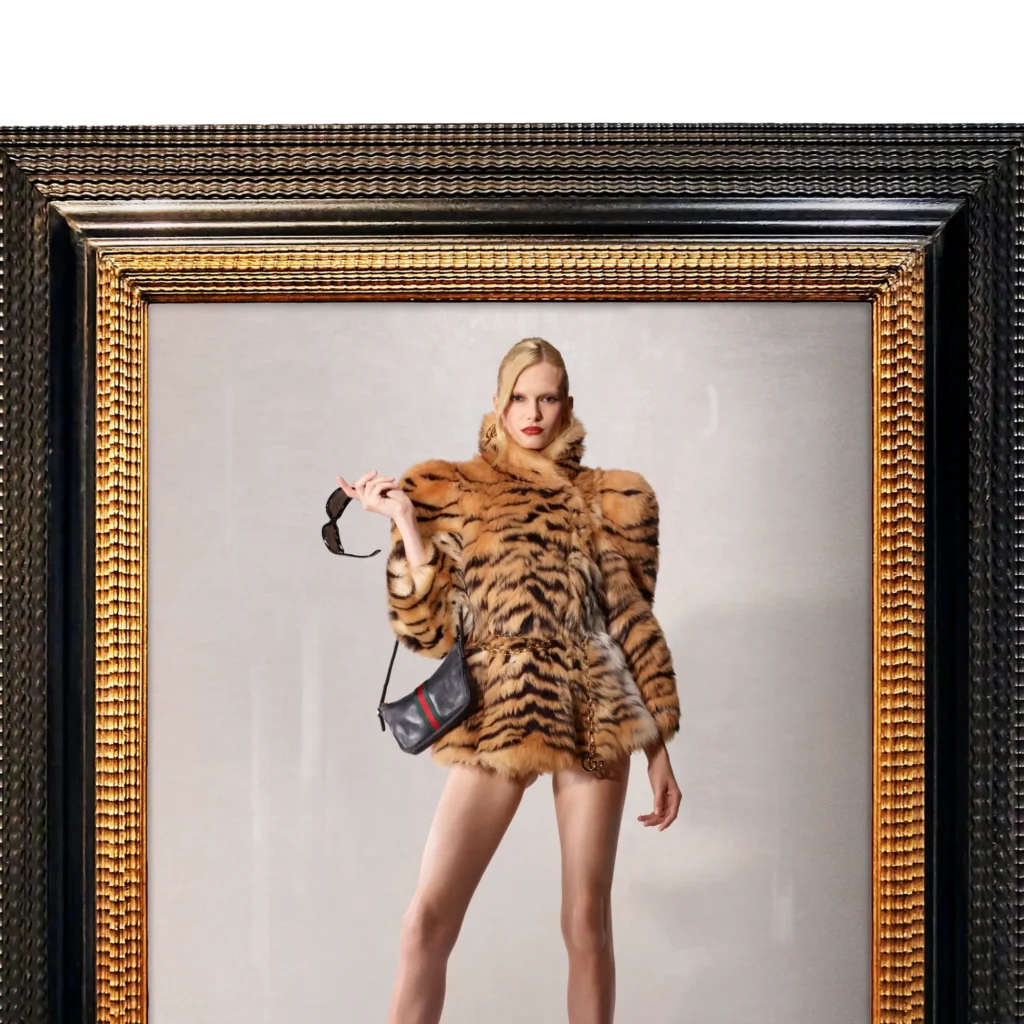
Gucci’s new visionary, Demna Gvasalia, previous director of Balenciaga, has once again sought to haul the fashion world into the future. On September 22nd the Georgian creative released a digital look book of his first collection for Gucci. Struggling with record low sales, a lack of media presence and an outdated brand identity, Gucci was in need of a director who could return the iconic name to its place at the top of the haute couture food chain: in steps Demna. Appointed at the beginning of last spring after a culture-defining ten year stint at Balenciaga, there’s no doubt his resignation came as a shock, taking the brand far beyond it’s traditional identity, using disruptive concepts and media tactics to ensure his work remained in the minds of consumers and eyes of the press. But is Demna the best choice to save an Italian ship headed for disaster?
Demna knows how to spark conversation. His digital look book for his ‘La Famigla’ collection was merely a teaser for what followed just a day later. ‘The Tiger’ premiered during Gucci’s show at Milan Fashion Week, a short film serving a meta-commentary on 21st century fashion, beckoning a new chapter for not only Gucci, but the world of luxury retail. Starring actress and model Demi Moore, playing the fictional female head of Gucci International, it adopts a psychedelic, other worldly feel as viewers are invited to witness the unravelling of perfection, dressed in just that. While the new collection was our protagonist, Gucci’s legacy laced in between, with nods to the original horsebit loafers, the bamboo 1947 bag, the ‘GG’ monogram. Demna may be presenting haute couture reborn, but he’s not neglecting the craftsmanship that led him there. Every character drips in time blending aesthetics, from oversized animal print furs, to heritage tailoring, to heavy features of suede and leather co-ords. The collection looks beyond the book of traditionalism, whist revering the chapters which inspired Gucci’s future.
But this fusion of high fashion, music, drama and media begs an important question for the future of haute couture: is the runway dying? In an era when audiences crave media stimulation, shock factors and viral moments, is Demna merely bowing down to the demands of an overstimulated generation? For decades the runway has charged the high fashion scene, providing a glimpse of art in a most intimate setting. While shows have long been elevated with music, lights and elaborate sets, never before have we seen such an disregard of fashion culture. Are we becoming so obsessed with the celebrities who sit front row, or the drama that unfolds between them, that fashion houses feel the only way to gain relevance is through culture driven spectacle? By releasing a digital look book, did Demna deny us the ability to marvel at the magic that only the runway can create?
Undoubtedly Demna’s short-film was successful in its creativity, a feast for the senses for those fascinated by groundbreaking creativity. Touching on more socio-cultural observations about identity, money, family and appearance ‘The Tiger’ was clearly an attempt to provide fashion a deeper meaning: born between reality and fantasy, where, though the characters may be pretend, the themes they discuss and the clothes they wear are certainly not. Maybe, the film attempted to show us that clothes have more purpose than what runway provides them; they’re vessels which can tell stories, tell us about people, who they are, how they wish to present themselves to the world; they bring passion and spark conversation. In the words of Stanley Tucci, ‘what they did, what they created, was greater than art because you lived your life in it’. Demna understands this better than anyone, but whilst ‘The Tiger’ succeeded in breaking the boundaries of fashion consumption, but maybe chasing fashion future erased fashion past.
Demna’s Gucci is preparing for a cultural shift towards a more meaningful brand identity, distant from the eclectic and somewhat ‘ugly chic’ designs that we’ve seen the past few years. Perhaps gone are the ‘this is fake’ collections, the extrovert floral patterns and androgynous styles, replaced by modernist tradition with heritage styles taking the stage. Demnas look-book was an ode to classicism, with focus on tailoring and structured outerwear, whilst still presenting styles that speak to this generation. Whether his film denied us the right to feel the true essence of the collection or not, its certain that what we did experience is the beginning of a whole new Gucci.
Words by Ruby Tanner.