
“McQueen is Not for Sale”: Kering’s Refusal to Release a Global Icon
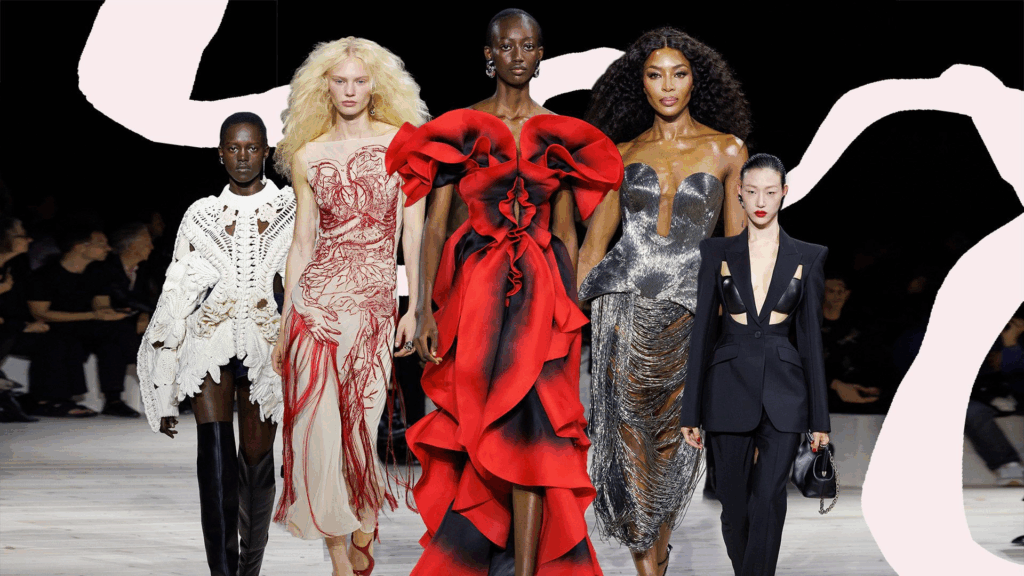
Revenues may be falling and the pressure rising, but McQueen’s French parent group Kering is adamant: the house is not for sale. Instead, the group has put in place ambitious plans to restructure, including a shift in McQueen’s market positioning, strategic store closures, and consequently the elimination of as many as 20% of roles at its London headquarters. This aims to “return the business to sustainable profitability over the next three years” after a sharp 14% drop in revenues in the first half of 2025. Having parted ways with the likes of Stella McCartney and Christopher Kane in the past, Kering is placing its bets on McQueen—hoping that restructuring, not divestment, is the way to reclaim its place at the forefront of global luxury.
The restructuring is extensive. McQueen is recalibrating its market positioning towards a younger luxury consumer, channeling the brand’s rebellious heritage to engage this lucrative market, adjusting prices to increase accessibility. Menswear has been cut from runways, allowing the house to focus on its more profitable womenswear operations. Job cuts are also underway to streamline the workforce. Regardless of the dramatic financial changes underway, the brand insists that this restructuring is a “cultural” and “creative” reset, rather than solely a cost-cutting exercise.
2023 marked a drastic shift at McQueen: after 13 years of Sarah Burton’s creative direction, the house handed its creative reins to Irish CSM graduate Seán McGirr. McGirr’s highly anticipated March 2024 debut divided critics and fans alike with its bold yet unresolved nature, marking a decisive departure from the romanticism of Burton’s direction. Since his debut, McGirr’s vision for McQueen has steadily deepened its connection with the DNA of the brand and injected a new energy into the house, while he also navigates the challenge of translating that creative vision into a commercially viable and future-facing identity for a brand still under financial pressure.
Regardless of this period of creative transition and losses, Kering remains confident that McQueen can return to profitability if nurtured, insisting that the sale of the brand in its current state would not be the most prudent route to take financially. The group is also rightfully mindful of McQueen’s cultural significance and rich heritage. The late Lee McQueen, who founded the brand in 1992, is one of the most celebrated designers of his generation. The challenge now lies in executing a restructuring that restores profitability without compromising the legacy that defines McQueen.
The question is, can McQueen forge a future as daring as its past—and still command attention in the global luxury market?
Words by Molly Beardsley