
Going Off Grid: Why Taking a Break From Social Media is Sometimes Necessary
Amelia Gregory discusses the negative effects of overusing social media, and provides advice on how to take a break.
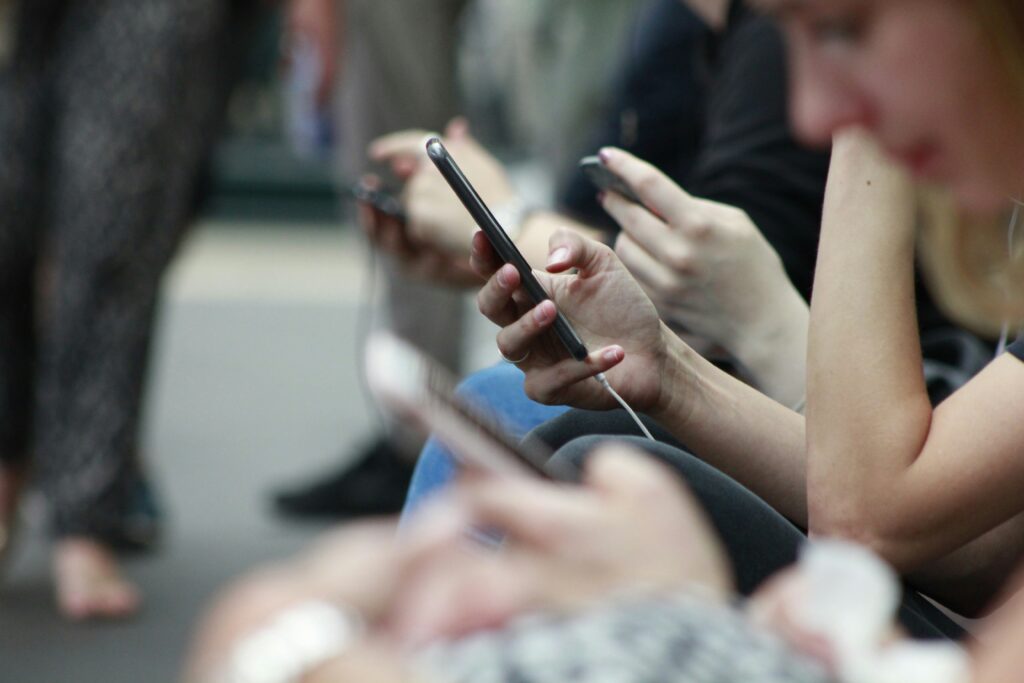
Image Credit: Robin Worrall / Unsplash
According to statistics, the average person spends two hours and nineteen minutes of their day on social media. This equates to approximately 16.2 hours of the week spent mindlessly doom-scrolling. I’ll be totally honest and admit that my social media usage per week is a lot higher than this statistic, with last week totalling 25 hours, and I’m sure that yours is too. Ever since coming to university in September, my social media usage has massively increased. I am now beginning to realise the negative consequences of this habit I’ve adopted, and why taking a break is sometimes needed.
Overuse of social media has been found to positively correlate with increased anxiety and depression, especially in young adults and teenagers. The addictiveness of social media is linked to dopamine, the “feel-good” hormone in your brain that is released when you do something pleasurable, like eating something delicious or achieving a goal. Social media functions as a sort of “dopamine machine” by providing instant gratification, for example, through likes, comments and views, which trigger a surge in dopamine. This encourages further scrolling and checking of your profile, in order to feel this dopamine hit again. This constant positive stimulation can lead to a “dopamine deficit state” where the brain compensates for the excessive amount of high dopamine activities by reducing dopamine production or decreasing dopamine receptors. This weakens the pleasure response, making us crave more dopamine and often resulting in anxiety and depression-related issues.
A consequence of overusing social media that I have personally experienced is an increase in FOMO (the Fear Of Missing Out). I’ve noticed that this fear drives me to check my notifications constantly, causing me to compare my life with perfectly curated and edited depictions of other people’s. This results in disappointment about my own life, and makes me wonder why my life isn’t as exciting and aesthetically pleasing as the people I follow online. This comparative aspect of social media can negatively impact self-esteem when we only see our peers’ best moments, triggering upward comparisons that make one’s own life feel inadequate by contrast.
In addition to this, excessive use of social media is associated with disrupted sleep patterns, especially for the bedtime doom-scrollers. Using electronics late at night can keep us awake due to the stimulating effects of blue light emitted from phone screens. Naturally, our bodies produce a hormone called “melatonin”, the release of which is triggered when the sun sets and natural light decreases, relaxing the brain and preparing us to wind down for bed. However, blue light suppresses melatonin production as the brain is tricked into thinking it is daylight, which keeps us alert and makes it much trickier to sleep.
As you can see, there are endless issues with excessive use of social media. The good news is, it’s easier than you think to take a break!
Firstly, it’s important to seek healthier triggers of dopamine that produce sustainable dopamine releases and don’t result in the same crash effect. Some examples include finishing a book, completing a workout, or finishing a craft project. These activities take longer to complete, meaning gratification and dopamine release is delayed, rather than released immediately like it is when triggered by instant gratification from phones. Another suggestion is to use app blockers to physically control the amount of time you spend daily on certain apps. If these suggestions still don’t work, you could introduce a “micro-detox” period. For instance, put your phone away during mealtimes, or don’t go on social media until you’ve gotten ready for the day. This helps to reset your dopamine sensitivity by gradually reintroducing healthier triggers.
Secondly, to manage FOMO and the effects of social comparison, it’s important to take a step back and reframe what you’re seeing. Remember that most posts are edited, and that people will only show off their best moments. Granted, it’s hard to constantly remember this, so I suggest going through the profiles that you follow on Instagram and TikTok and asking yourself; does this account inspire me, or does it make me feel insecure? If the answer to that question is the latter, then simply unfollow them.
Finally, to fix sleep disruption, I’d suggest that you put your phone away 1-2 hours before bed, and swap to low stimulation activities like reading a book or writing in a diary to allow for natural melatonin production. If you still feel yourself reaching for your phone, you could try charging it across the room or, if possible, in a different room entirely.
Ultimately, whether it’s for an hour, a day, or a week, stepping away from the scroll is probably the reset your mind has been waiting for.
Words by Amelia Gregory