
Brazil Set to Elect a New Leader
Brazillians head to the polls to elect their next leader.
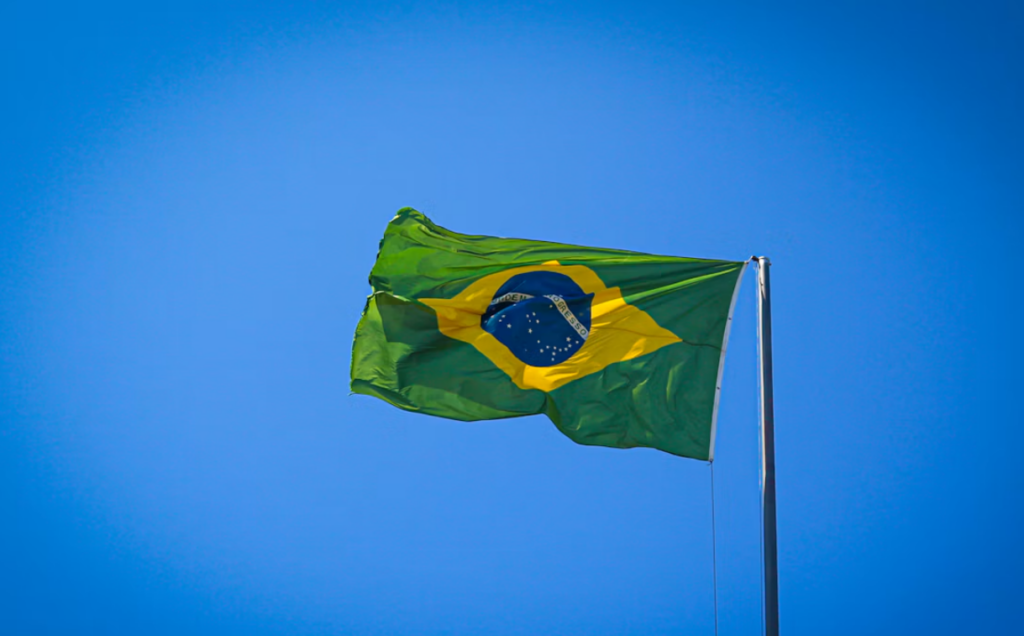
Photo by Samuel Costa Melo on Unsplash
In a political environment that has appealed to far right politics, Brazil now faces a potential change to their political structure in the wake of their upcoming presidential elections.
Bolsonaro, far-right candidate for the Liberal Party (Partido Liberal, PL), has now overcome leftist president, Luiz Inácio Lula de Silva, in the most recent round of electoral polls. As reported by the Guardian, Bolsonaro leads with a narrow edge of 47.03% to Lula’s 45.16%. This makes the likelihood of the succession of the far-right much more plausible in Brazil, as seen across Latin America and Europe in the same way.
Lula, initially successful in Brazil’s 2002 and 2006 elections, came to power as the face of social justice through programs that promoted environmental action and social welfare, such as Bolsa Familia, which provided financial aid to millions of Brazilians. Rising public debt during his second presidency, despite declines in unemployment and income inequality, has reduced his approval rating, once at a high of 80%, allowing his opponent to make political gains.
Like the resurgence of the far right in neighbouring South American countries from the 2010s, including Bolivia, Chile and Honduras, conversavitism’s growth in Brazil is an example of a larger political pattern that has reduced the power of left-wing governments for the first time in decades.
As reported by the BBC, the PL’s march back to power is a stark contrast to the early 2010s in both Brazil and across Latin America, where the influence of the left had gained significance. The rise of the far right possesses greater challenges to the country’s political landscape; for example, under Bolsonaro’s party in 2023-24, deforestation increased by nearly double following Lula’s mass reduction of it.
This resurgence follows from the transition occurring during the mid-2010s that continues throughout the continent: socialists in Peru, Chile and Ecuador were all unseated between 2015 and 2021, leading to the fast-growing popularity of right-wing candidates. For countries like Ecuador, in 2021, these changes marked the first right-wing candidate since 2007.
Brazil’s presidential election results in three weeks’ time could therefore very well demonstrate a success for Bolsonaro, who goes into the second round of elections as the favourite.