
Football’s Three Week International Break: The Good, The Bad, The Sad and The Ugly
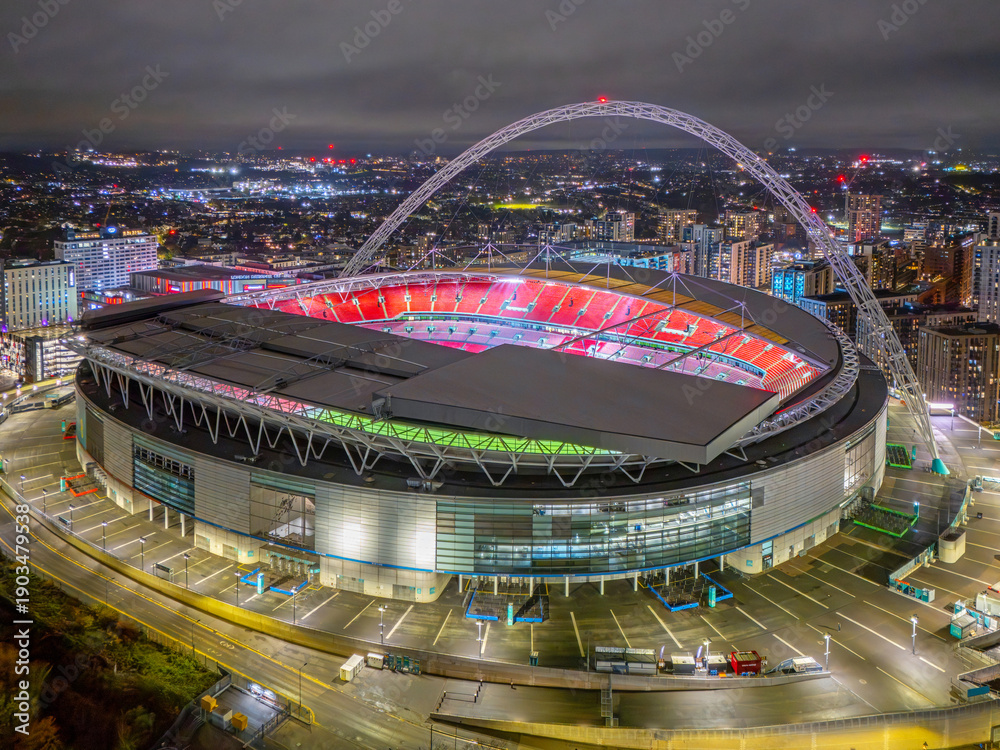
Wembley Stadium | Image Credit: Thomas - stock.adobe.com
The latest international break stretched for 16 days marking it as the longest ever. FIFA claimed player welfare and streamlining the footballing schedule was behind their decision to merge the two fortnight long breaks in September and October into one longer three-week break. The international break has generally garnered an unpopular reputation in recent times but how did this particular one unfold…
The Good
Starting with the good, we saw the Women’s Super League take centre stage as the main domestic football in the country. With the Premier League, Championship and the majority of League One on pause, Sky Sports’ Super Sunday showings revolved around women’s football, giving the women’s game increased exposure and viewership.
There was also an opportunity for women’s games to take place in some of the country’s biggest stadiums. Arsenal hosted Manchester United at the Emirates, Chelsea played at Stamford Bridge and Manchester City faced Arsenal at the Etihad Stadium (but more on Man City’s drama later)…
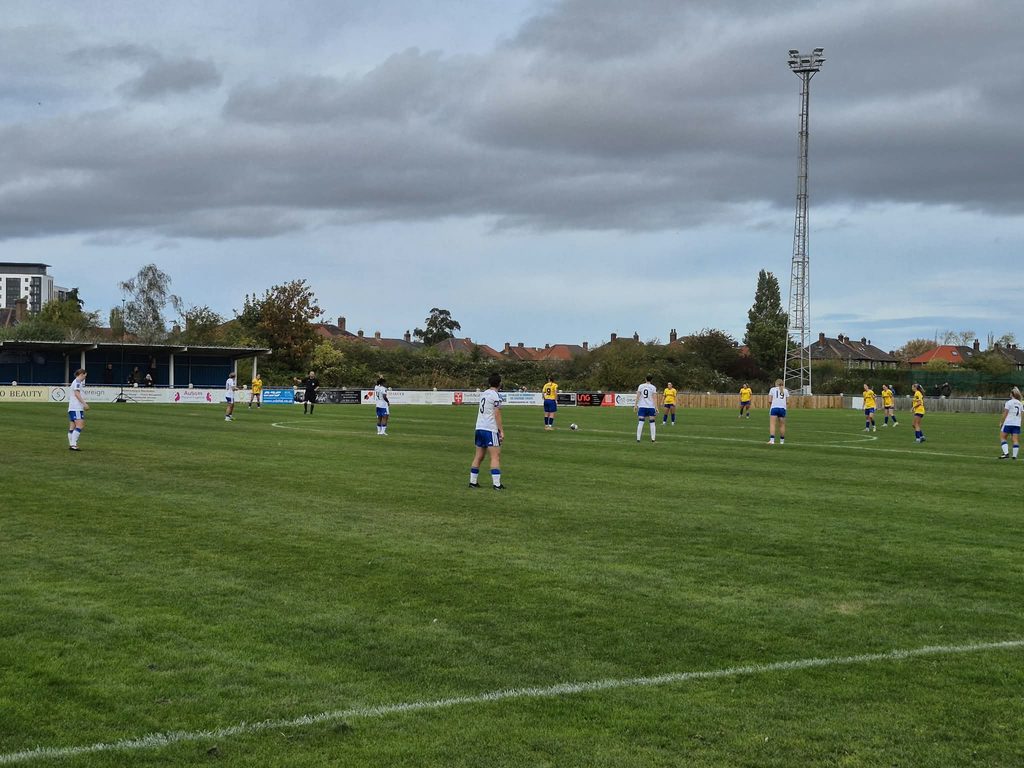
Non-league football was also offered the opportunity to attract increased crowds, as fans missing their football fix were able to attend their local non-league clubs. Some EFL clubs even went as far as creating posts allowing non-league clubs to advertise their fixtures in the comment sections. The FA Cup 3rd qualifying round took place and Guiseley hosted Bradford Park Avenue in a West Yorkshire derby in front of a massive 1,574 fans.
Furthermore, by combining two international breaks into one, it means that the club football season will suffer from less disruption overall. You would be forgotten for thinking that this was not the case given the amount of complaints surrounding the introduction of a three week break.
Instead of three international breaks before Christmas, there are now only two, which in total cover one fewer week. The early stages of the season used to feel very stop start, as clubs saw disruption to both their September and October schedules. Now football fans only have to get through one longer break to reap the rewards of more consistent league action.
The Bad
Moving to the bad, and the first and most obvious point is that it feels like a long time since fans saw their side in action. The saying goes that ‘a week is a long time in football’, so how long is three?
Despite UEFA’s best intentions to create another knockout competition through its Nations League format, it remains a far cry from the joys of World Cups and European Championships. Games feel meaningless, the structure is hard to follow and many feel little compulsion to watch any of the games.
This is not helped by some of the best players in the world opting out of international fixtures, which is ultimately at the expense of the fans, as some chose to prioritise their club and load management over representing their country. It is hard to see why a fan should be up for the mid-season internationals, when even the players aren’t.
The Sad
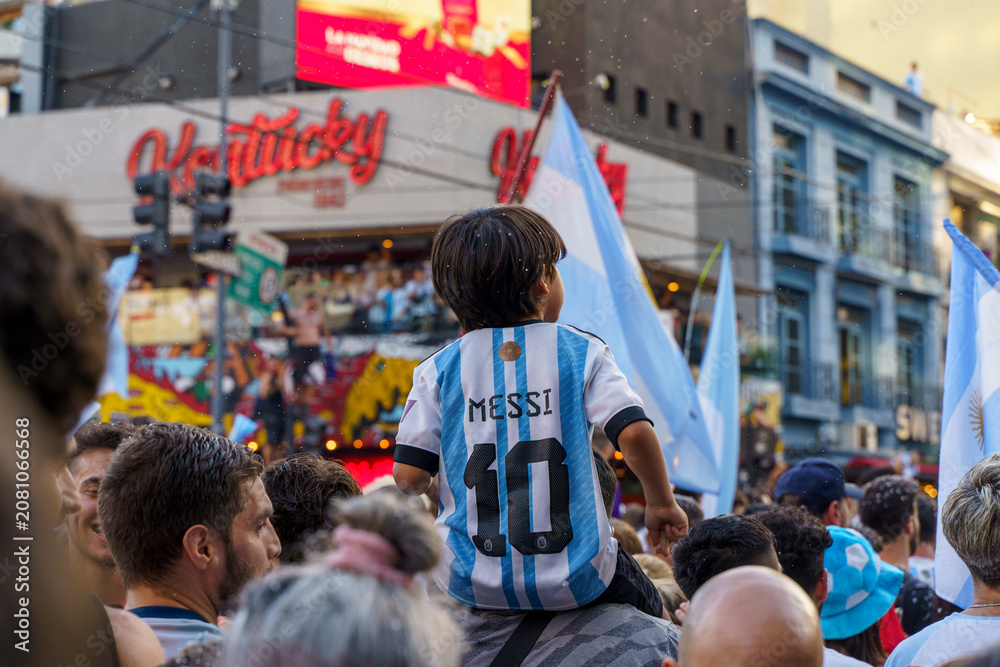
On the 6th October 2026, Lionel Messi officially retired from international football, wearing the blue and white stripes of Argentina for one final time against Benin. He marked his final appearance for La Seleccion with a goal in a 3-0 win for his country, watched by 85,000 emotional fans in Buenos Aires.
His 21-year international career consisted of 208 caps, 126 goals and most notably a World Cup, as one of the greats of the game decided to call time on his career. If one of the best footballers ever can’t survive a three week international break, then how on earth are we supposed to?
And The Ugly
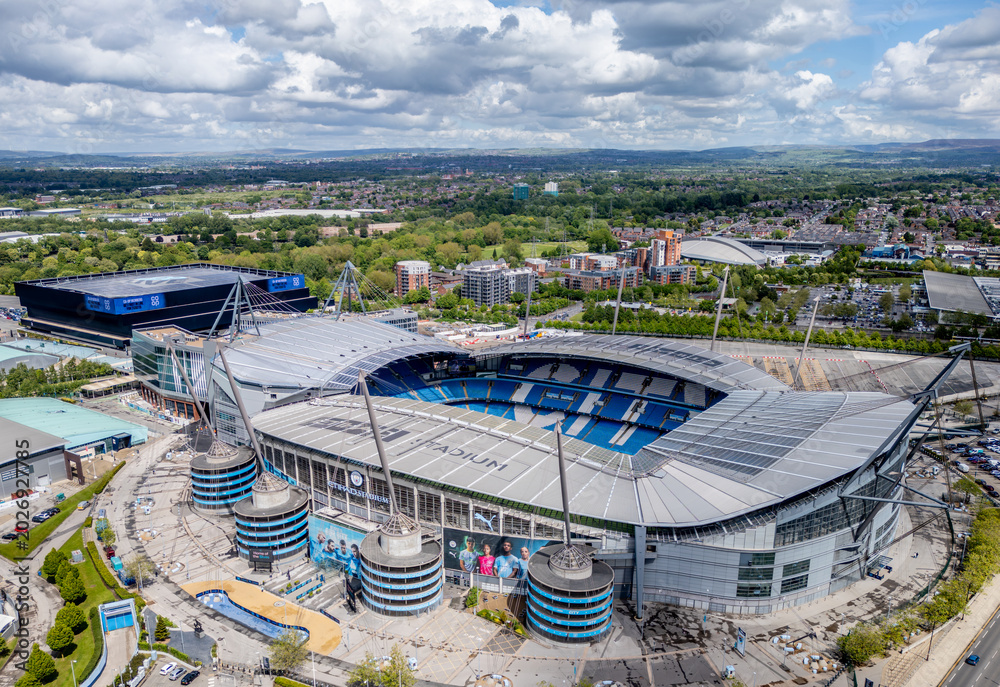
And finally, it’s time for the ugly. Just days into the international break, the news broke that Manchester City had been found guilty of breaking 114 of the 115 financial charges that they had been accused of breaching. Four days later, and the Premier League published an official statement, alleging that Man City had used ‘sham contracts’ used to inflate the club’s revenue by more than £900 million.
News of these events sent social media awash with speculation, as fans created punishments ranging from an automatic relegation, to an expulsion from the football league completely, with the punishment of having all their titles stripped hovering somewhere in between the two.
A three-week international break was far too long for something to not go seriously wrong, and it was Man City’s turn to step up to the mantle to keep the footballing world entertained.
Three weeks also proved too long for a certain somebody to stay in the good books. Cristiano Ronaldo, at the age of 41, walked out of the Portuguese national team’s camp after falling out with manager Jorge Jesus, over a lack of playing time and disagreements with what Jesus said in a press conference.
The issue culminated in Ronaldo writing a near 2,000 word statement, stating that he is not retiring from the Portugal national team whilst also accusing his manager of breaking a string of promises.
All in all, a quiet, boring, three week break (not!!)
Words by Ben Carter