
Rough Sleeping in Leeds: Up by 75% in the Last Three Years
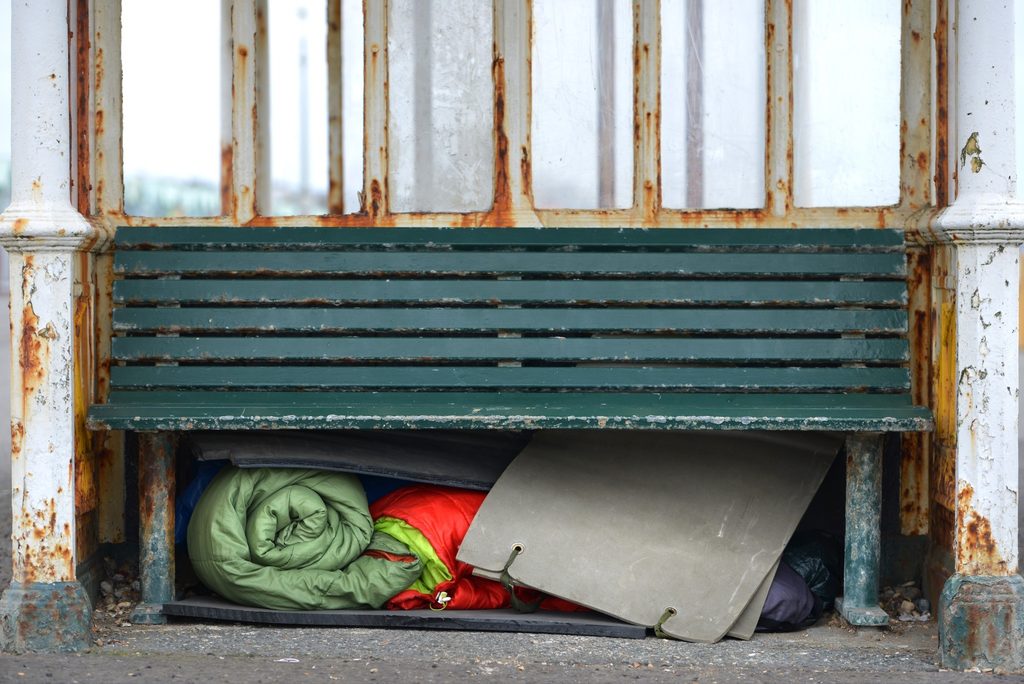
According to the BBC, throughout the past three years, the city of Leeds has seen a 75% increase in rough sleepers, approximating 65 individuals.
However, this statistic does not account for a hidden subcategory, a shadow of rough sleeping: hidden homelessness. This category of homelessness particularly affects students, and encompasses a varying type of rough sleeping.
A recent Leeds Women’s Rough Sleeping Census, carried out in September of 2025, surveyed a total of 64 women, with over a third confirming that they had slept rough the previous night. Also confirmed within the census were characteristics of hidden homelessness including sofa surfing, validating that hidden homelessness, such as shifting between friends’ sofas or remaining in hidden transient environments, is a large precursor to homelessness. Another critical attribute of hidden homelessness amongst students is an unstable private rental market. Due to Leeds’ massive student population, the abrupt end of accommodation tenancies is one of the top three leading factors of rough sleeping, according to Leeds City Council. Also noted by Leeds City Council was that in 2021/22, 22% of prevention and relief duties were owed to young people aged 16-24. In addition to this, exploitation is also an integral element of this social issue, where students who are unfamiliar with UK housing laws can be targeted by landlords.
Hidden homelessness is rarely registered formally within Leeds City Council, making it difficult to collect concrete statutory statistics to be published by the government. Nonetheless, Leeds City Council has recognised these differing factors and has come forth with an initiative, a project that has the power to become both a deterrent and a preventative measure to rough sleeping/hidden homelessness.
The Leeds Homeless and Rough Sleeping Initiative, otherwise known as the RSI, is supported by multi-million-pound funding directly from the UK central government. A total of £5,338,223 has been allocated under the Rough Sleeping Initiative funding framework, in connection with local grants for housing and support. This innovation is being conducted in phases, with the first being the Multi-Year Funding Phase from 2022-2025, focusing on securing adequate capital. Leeds City Council is currently in the Extension Phase, spanning from 2025-2026. Following this period is the Strategic Plan, in which Leeds City Council will integrate these funds directly into the overarching Leeds Homelessness and Rough Sleeping Strategy, the council’s legal and operational roadmap that outlines a long-term, city-wide vision to prevent homelessness in all its forms, which began in 2023 and is set to run until 2028.
Essentially, the RSI acts as the active, street-level programme handling the immediate invisibility of rough sleeping, whereas the Strategy is the wider municipal policy designed to fundamentally minimise future homelessness in Leeds.
In summary, in accordance with recent statistics highlighting increases in homelessness amongst both adults and young adults, Leeds City Council has responded with active measures, providing a hopeful glimpse into the future for both the city and its citizens.
More resources can be found here:
Rough Sleeping in England: Local and national government action
Approval of the Homelessness and Rough Sleeping Strategy 2023–2028
Words by Karolina Baricevac