UK Government is Set to Consider Expanding TV License For Streaming Services
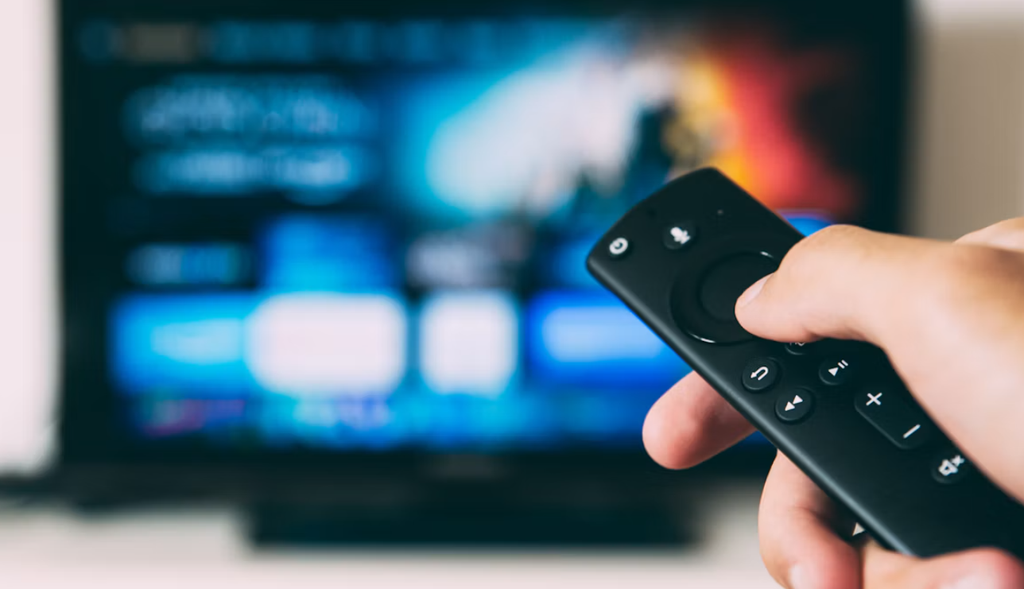
Recently, the UK government is considering reforming the TV license system as part of the next BBC funding review. This TV license would be expanded to cover other major streaming services such as Netflix, Amazon Prime, ITVX, Disney+, and YouTube, even if the content the viewer is watching is not live.
As reported by the Independent, the plan is to expand the licence fee so that it applies to streaming platforms, with the aim of preventing people from paying it by watching content on the internet via their phones, tablets or computers. According to recent reports released in October 2026, ministers are exploring options that would require people to contribute to BBC funding, even if some people rely only on online streaming services for news and entertainment.
Under the current system, you need a TV license if you watch or record live TV on any channel or service, whether through streaming, traditional television, or satellite. It is also compulsory to have a TV license when using BBC iPlayer, even for on-demand programs. Nevertheless, it is reported that many people across the UK only watch on-demand content through other services such as Netflix and Amazon Prime, where a TV license is not currently required if they avoid BBC iPlayer and live TV.
Former culture secretary Nicky Morgan has blasted government plans to introduce a “Youtube tax” to extend the BBC licence fee to streaming platforms.
She states: “If this proposal does turn out to be true, it’s actually putting the BBC on the wrong footing for the rest of the 21st century.”
Despite the Department for Culture, Media and Sport stating that DCMS said its current model was “outdated and no longer fit for purpose,” and suggesting that the BBC reduce the cost from its current price of £180 per year, the general consensus remains negative, as for now, households that exclusively use on-demand streaming services are not required to possess a TV license unless it is live or within the use of BBC iPlayer.
Words by Alexandra Eaton