
Too Hot to Handle
Credit: Katie Morris
Why Britain’s Infrastructure is Struggling to Keep Up with the Warming Climate
Britain has never been well known for its scorching hot summers. However, as temperatures across the UK continue to rise, we face a problem that our homes, public services and transport networks have never been adequately designed to handle effectively: extreme heat.
Last summer saw Britain experience its hottest summer on record, with temperatures exceeding 30°C on 40 days, within the 5 separate heatwaves reported. On the 13th of August, temperatures at Hartpury college peaked at 38.2°C, making it the highest temperature recorded in the UK this year.
Following this record-breaking summer, the question is no longer how we cope with a few unusually hot days, but whether we can rely on our infrastructure to withstand Britain’s changing climate, where such extreme heat is becoming increasingly likely.
A country built for a different climate
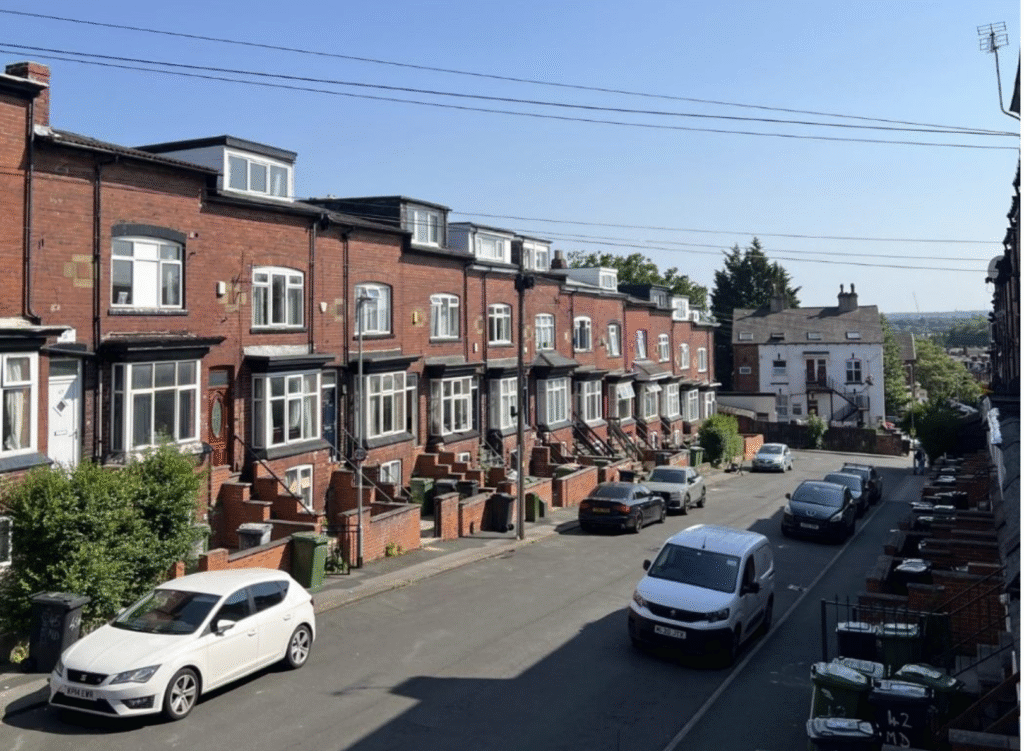
Much of British infrastructure was designed around historical weather patterns. The typical cool and temperate climate associated with England meant that, for decades, keeping people warm and protected from the cold were the focal concerns in British infrastructure. However, the same buildings designed to retain heat during winter can become uncomfortable and potentially dangerous during prolonged periods of hot weather.
Poor ventilation, inadequate shading, and densely built urban environments are major contributors to overheating during warmer months. This is most concerning for students and renters, who may have little control over such conditions in their home. In particular, top-floor bedrooms, large windows and a lack of effective ventilation can cause indoor temperatures to rise significantly, turning homes into uncomfortable spaces that disrupt everyday life.
The strain of extreme temperatures extends far beyond housing, and places pressure on essential services and infrastructure. Transport networks are particularly vulnerable to increasingly high temperatures. Air temperatures exceeding the safe limit (30°C) cause rail tracks to expand, thus increasing the risk of buckling, which forces operators to impose speed restrictions to maintain passenger safety. In some occasions, operators resort to cancelling services, to reduce the strain on the network.
Water infrastructure faces a similar challenge. Hot, dry summers increase the demand for water, simultaneously reducing its availability in reservoirs and rivers, leaving major water sources scarce. For example, London’s reservoirs sat at a critical capacity of 54%. This created a deficit of water in relation to its demand, which reached a 30% spike during peak heatwaves. Approximately 29 million people faced water-use restrictions, mainly hosepipe bans, exposing the strain placed on Britain’s water infrastructure.
Infrastructure is designed to last for decades, which means the decisions Britain makes in the coming years will shape its ability to withstand extreme heat far into the future.
What’s being done?
Britain is beginning to adapt and redesign its infrastructure to current rising temperatures, and ahead of future climate projections. Part O of the new Building Regulations requires all new-build homes to pass strict thermal modelling by encouraging measures such as shading and ventilation at the design stage. At the same time, existing homes are being helped by the transition to reversible heat pumps, which reduce the need for separate air-conditioning.
New railway track infrastructure is also undergoing a transformation, by using heavy-duty concrete slab tracks which do not buckle under intense thermal stress. Under Network Rail’s Weather Resilience and Climate Change Adaptation plan, existing steel rails are being painted with a heat-reflective white paint to lower their temperature and being stretched to help handle extreme temperatures without buckling.
The UK has coordinated a plan to construct nine new major reservoirs, scheduled to be completed mid-2030s, to secure our water storage capacity. Water recycling and transfer networks are being constructed, to shift water from the wetter north to the drier south. Alongside these upgrades, the government is introducing stricter rules on housing developers, to ensure new homes are built with water-saving appliances, creating an overall lower daily demand.
Britain cannot prevent heatwaves. But it can prepare for their consequences. With infrastructure being built today likely to remain in use for decades to come, it is essential that they are built with a focus on adapting to a hotter and drier climate and preparing us for future extreme heatwaves.
Words by William Taylor