
British Denial: Don’t Be High and Mighty about the US Election Results
Poppy explores why British egotism is misplaced this US election cycle, and the reality is that Britain is not void of threatening Trump-like politics.
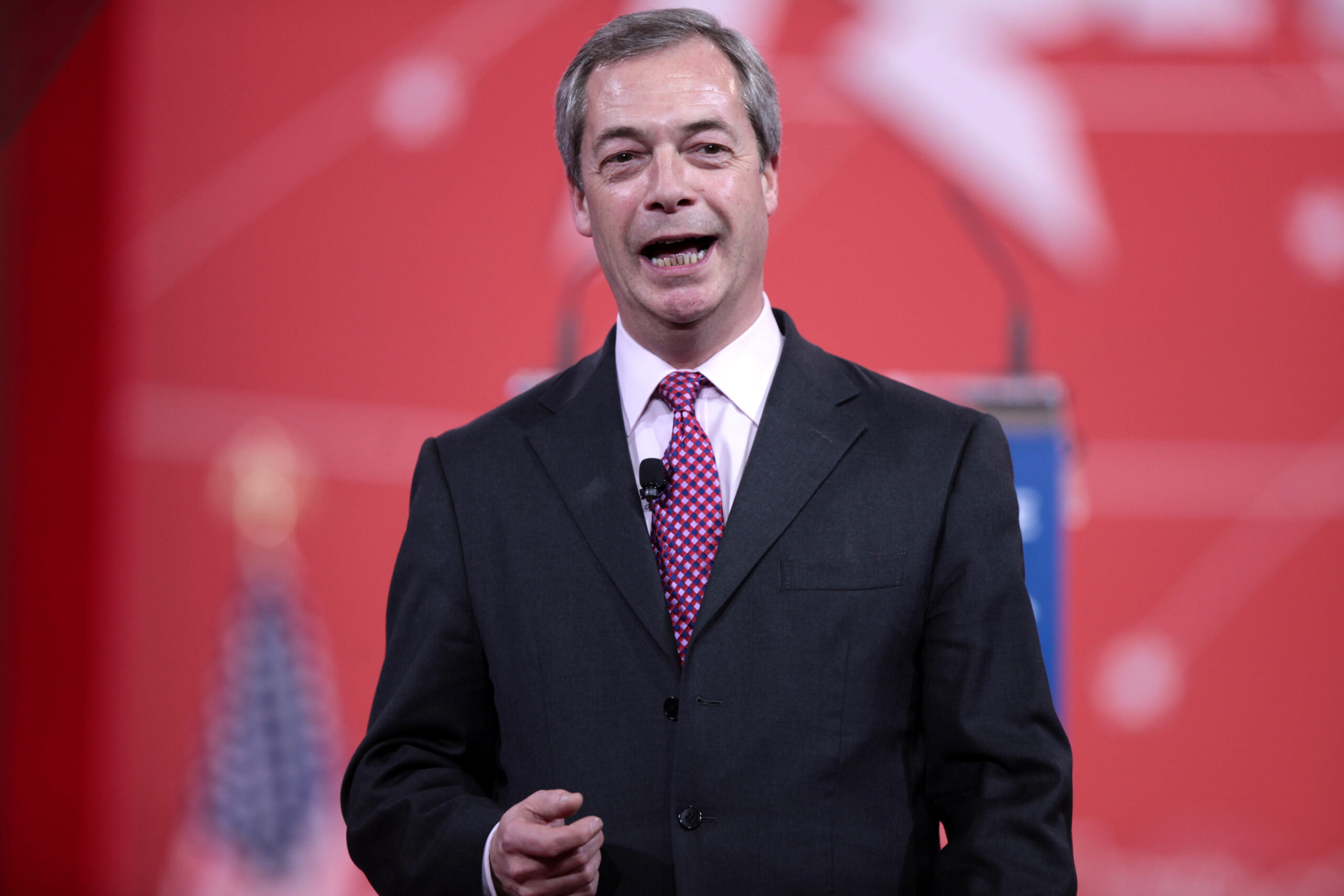
Image Credit: Gage Skidmore via Flickr
It’s almost hardwired into Brits to laugh at Americans. It’s essentially a knee jerk reaction to crack a joke when you hear about the most recent ‘Florida Man’ incident or the next crazy Texan Senator on X. But post election, the laughter is falling flat for me- because the joke is on all of us.
Take a moment to scroll through the comment section of any TikTok post regarding the US Election results, and like a slap in the face you’ll see the smug remarks from users who have an unsettling sense of British superiority. “As a Brit, I’m shocked by these results” or “I can’t believe they voted for him again”. The same narrative is repeated over and over by patronising Britons who place the UK on an ivory tower above the average American, in an attempt to detach this island from any right-wing rhetoric.
Why have the British public been lulled into the perspective of that sort of thing only happens across the Atlantic? are we experiencing some form of short term memory loss?
It only takes turning the clock back 18 weeks to see America’s political results reflect a startling reality in the UK. One glance at the statistics should shatter any lingering sense of condescension among the British public.
In July, 14.3% of Britons cast their vote for Reform UK. A total of 4,117,610 people supported a party led by Nigel Farage, making it the third largest party in the UK this year.
Are we still laughing?
Meanwhile, 23.70% of Brits voted for a Conservative Party led by Rishi Sunak. A staggering 6,828,925 members of the Electorate saw a party riddled with sleaze and rising populist rhetoric to be the best choice to govern the country, and yet Brits continue to present themselves as morally and politically superior to American voters.
If you add the votes for Reform UK and the Conservative Party together, the result is undeniable: America’s current political trajectory is but a reflection of our own future.
The Perils of a Political Cycle
The political landscape in Western democracies often follows a predictable, troubling cycle. It begins with the rise of a so-called “wolf in sheep’s clothing”: a centrist candidate who presents themselves as the saviour of the left, determined to right the wrongs of the right. In the United States, this role was recently played by Joe Biden.
Inevitably, the wolf fails to deliver, leaving behind disillusioned voters who feel unfulfilled by the broken promises of the wolf, leaving them vulnerable to the allure of right-wing populist candidates who sweep up the disenfranchised voters who give into lies of high immigration and even higher taxes. Sound familiar?
The cycle doesn’t end there. The fallout is swift: nothing is fixed, and for many, particularly those who are not white, male, or affluent, life often remains at best unchanged- or worse, problems intensify. Enter the “wolf” once again, promising to “clean up the mess” and restore order. This opens the door for an even more extreme candidate to rise in the aftermath. Rinse, repeat.
While I’ve used Joe Biden to frame the US context, this political cycle is not unique to America. It’s one that can be applied to virtually any Western democracy. Consider the UK: Boris Johnson, Keir Starmer, and perhaps even Nigel Farage—this is the reality we’re fast approaching. And make no mistake, it has already begun.
Let me be clear: ’m not suggesting that we shouldn’t be shocked by the results of such cycles. The prospect of Donald Trump returning to the White House is alarming, particularly for women and minorities who would be most affected by his policies. However detaching ourselves from the narrative places the UK at risk of falling victim to this pattern, much faster.
Theres an old saying that goes: “When America coughs, Britain catches a cold” and these electoral results are only more proof that this doesn’t solely apply to foreign policy anymore. What happens in one nation is inevitably felt in the other, and the warning signs are already flashing. We ignore them at our peril.
Words by Poppy Grainger
Cover Image Credit: Gage Skidmore via Flickr