
How to beat a hangover using science
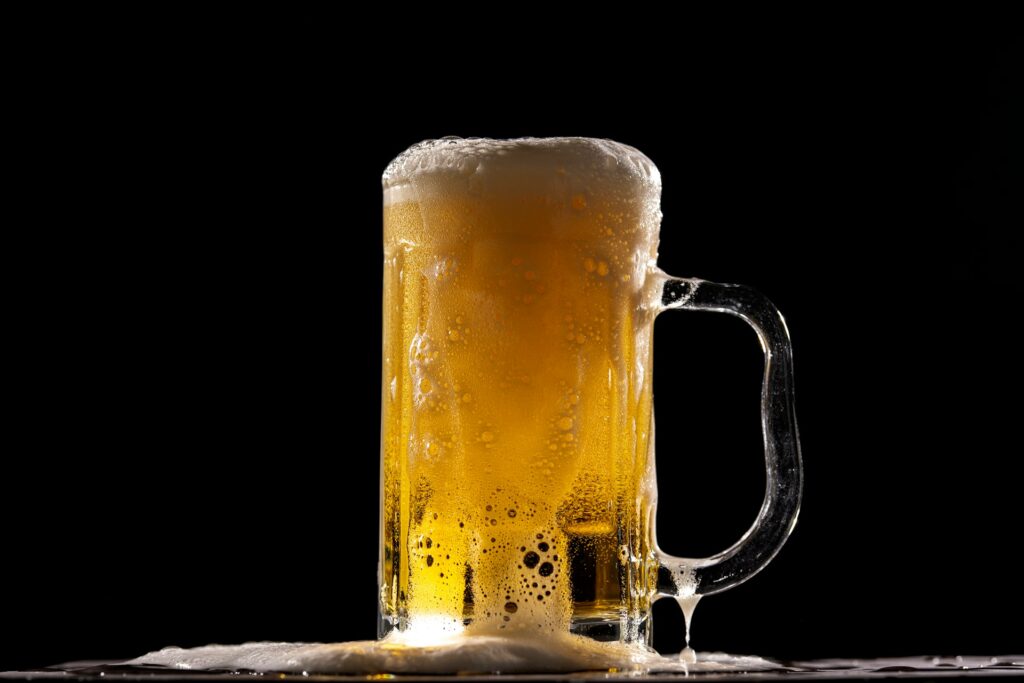
Image credit: engin akyurt on Unsplash
Nine tips to keep you feeling fresh during Freshers Week
For many of us, the physiological symptoms of a hangover are all too familiar. A miserable mixture of nausea, headache, diarrhea, fatigue, and shaking can make us question whether all that fun last night was really worth it. Symptoms vary from person to person: some people become sensitive to light and sound, some experience increased blood pressure and heart rate, and others suffer from vertigo.
Similarly the causes of our hangovers differ between each individual. Most commonly, hangovers are due to the diuretic effect of alcohol, which means it promotes urination. Alcohol reduces the production of a hormone called vasopressin, which plays an important role in the regulation of water excretion by telling your kidneys when to reabsorb water back into the body instead of releasing it as urine. Alcohol interferes with this process and causes more frequent urination, resulting in dehydration.
Another key cause of hangovers is sleep deprivation. Heavy drinking changes brain activity during sleep – it disrupts the rapid eye movement (REM) part of your sleep cycle, resulting in poor-quality sleep that leaves you feeling groggy in the morning. Alcohol can also trigger migraines and unsettle the hormones that regulate our biological clocks.
So what can you do to combat your hangover?
Obviously, the best way to avoid a hangover is not to drink alcohol, or to drink drastically less. However this is unrealistic for many people, especially students during Freshers Week! So here are some science-backed tips to try that might ease hangover symptoms.
On the night out
- Drink on a full stomach – most alcohol is absorbed by the small intestine, and eating before drinking slows the rate at which alcohol reaches the small intestine. This reduces the rate of alcohol absorption to a level easier for your body to manage.
- Have a glass of water between each alcoholic drink – this will help you drink less alcohol overall and reduce symptoms of dehydration.
The morning after
- Drink lots of water – to relieve dehydration.
- Drink tea or coffee – the stimulant properties of caffeine can counteract the grogginess and fatigue caused by hangovers.
- Eat some carbohydrates – alcohol can lower your blood sugar levels, so some fatigue and headaches may be caused by a lack of sugar. Restocking with a starchy snack can be effective.
- Take ibuprofen but not paracetamol – ibuprofen can relieve the pain of a headache, but paracetamol can have a toxic effect on the liver if combined with alcohol.
- Get some fresh air – some studies suggest that the oxygen in fresh air helps your liver break down alcohol’s toxins. Other studies find that gentle exercise can improve the symptoms of a hangover, so going for a short walk outside is likely to leave you feeling much better.
- The hair of the dog – drinking more alcohol can ease hangover symptoms and is referred to as ‘taking the hair of the dog that bit you’. However it is not actually solving the problem, instead simply delaying it.
- Don’t rely on quick fixes – there are many popular myths surrounding superfoods as instantaneous hangover cures. Several studies have tried to validate these claims however with weak results. These studies rely on participants’ self-reporting which is shown to be unreliable, and too many variables mean it is difficult to attribute causes to effects. Additionally, the fact that everyone experiences hangovers differently means that what works for some does not necessarily work for others.
Words by Ruby Smith
Image credit: engin akyurt on Unsplash