
What Really is the Meaning of Couture?
Sofia Garapetian examines how Haute Couture has always held a special place in the heart of the fashion industry.
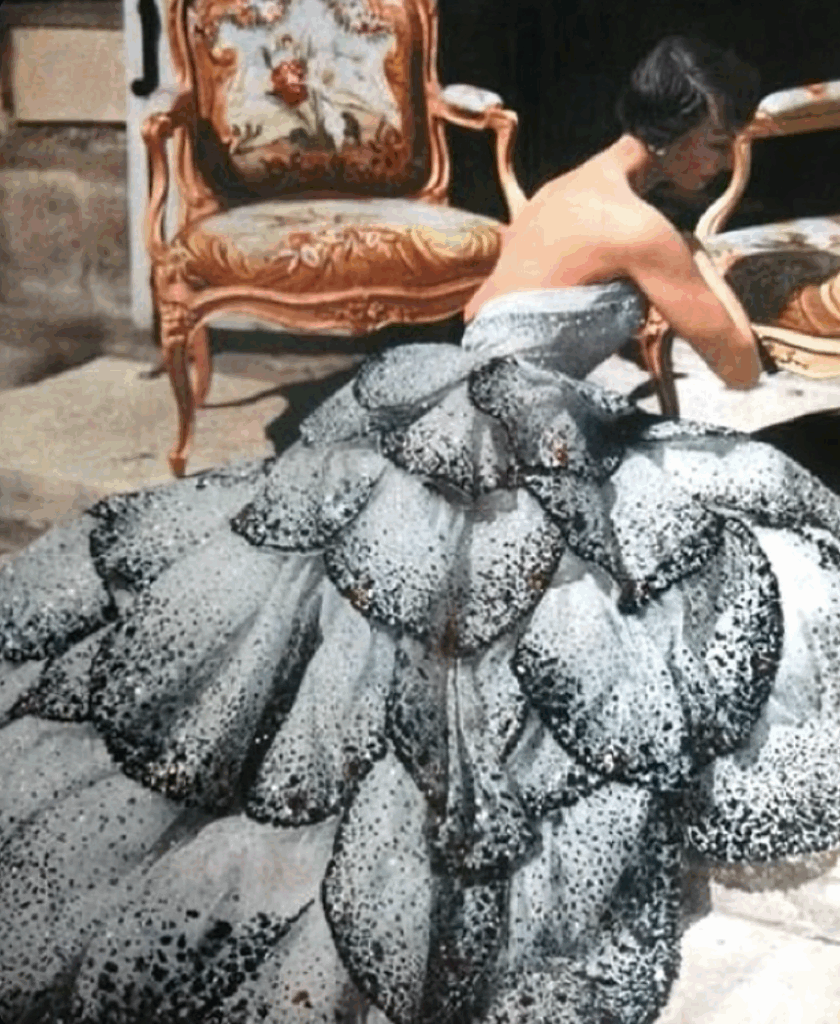
What do you think of when someone says the word fashion today? The hundreds of runway shows by countless fashion houses or is it the trends you see across any and every social media platform available to us. The word fashion in some ways has lost its meaning with its origin immensely blurred.
But not long ago, fashion stood for creating garments of an impeccable standard. A one in a million piece that only a singular individual could possess. Fashion’s roots are in couture and for many fashion houses it is the beginning of their being.
So, I thought I would take the student the hat off and put the teacher hat on for the day to give you a quick lesson on the history of Haute Couture and its importance in the industry. And given the fact that Paris fashion week, the birthplace of couture, has just ended it seems fitting to talk about its coming to life. So sit back and peruse because class is in session!
Haute Couture presents designs of the highest craftsmanship and truly exemplifies the level of creativity that fashion can exhibit to the world: a truly exquisite display. It was first introduced during the 19th century in France, where custom made, unique garments were created for very lucky customers that a fashion house deemed as its most highly regarded clientele.
But, not just any fashion house can claim to have Haute Couture pieces. There are very specific criteria a house must meet to be part of the Parisian Fédération de la Haute Couture et de la Mode (founded in 1868) and subsequently become one of the Maisons de Haute Couture. These rules include: curating two Haute Couture collections per year; enlisting a minimum full-time staff of 15 employees and 20 workers and consistently maintaining an atelier in Paris. The reason for such tight guidelines is to create exclusivity and allow for truly skilled artisan ateliers to be honoured for their craft.
Many fashion houses made a name for themselves by starting out in Haute Couture such as: Chanel, Dior, Schiaparelli and Givenchy, just to acknowledge a few of the key players. But that list does not get much longer, as there are only 16 official, permanent members who have been able to meet the laid-out expectations. The most notable creations from Haute Couture include: Alexander McQueen’s iconic Armadillo heels; Thierry Mugler’s Fall Winter 1997 collection inspired by metamorphosis and Gianni Versace’s risqué safety pin dress. These designs exemplify how couture truly pushes the boundaries of art and innovation in fashion.
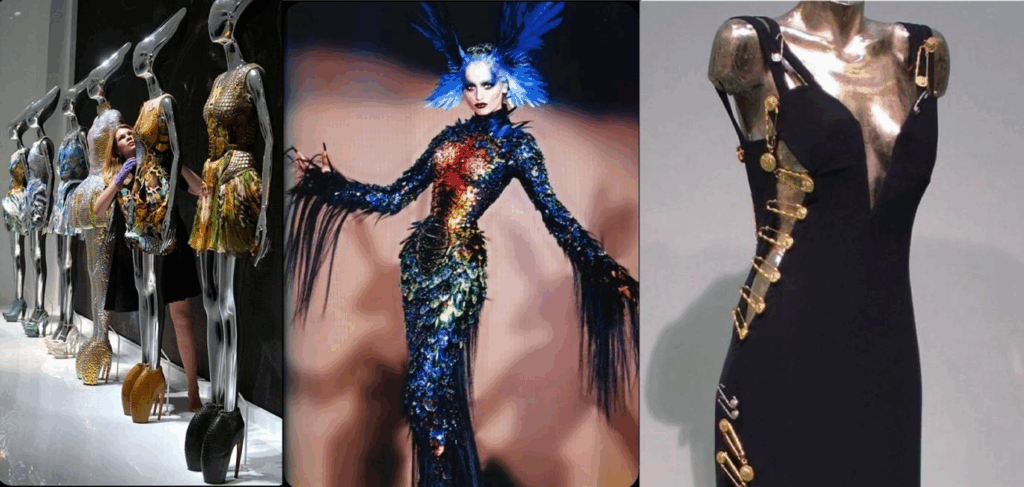
Sadly, however, Haute Couture is starting to lose its importance in the modern day as more emphasis is placed on ready-to-wear lines, with many fashion houses not willing to fulfil the demanding rules set to be a member of the Fédération. Knowing this, we mustn’t allow Haute Couture to die and the very roots of fashion itself disappear, becoming a forgotten memory. Because the idea of Haute Couture is not just a name or status for fashion houses, but an ode to fashion’s ability to create art that encourages free expression and the most high quality craftsmanship that one could only dream of; but made a reality by the passion the ateliers have for their trade.
Words by Sofia Garapetian.