
Love’s Young Dream and its Inevitable Hangover
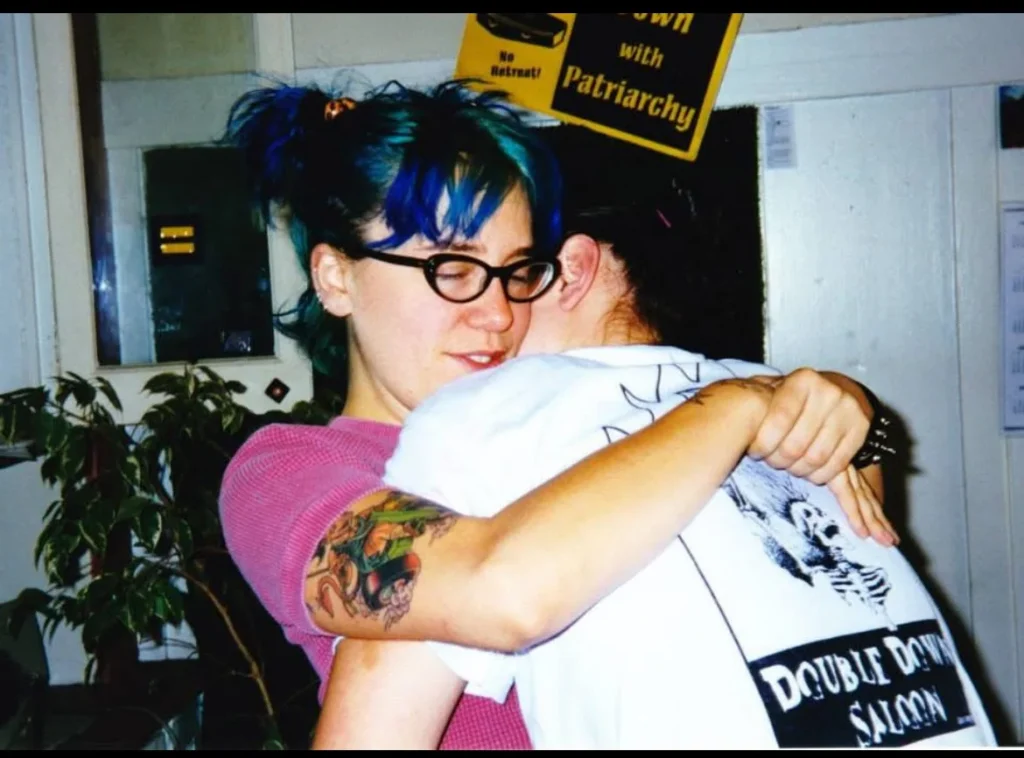
Image credit: Michelle Tea for AnOther Magazine
25 years after its initial publication, Francesca Langley gives a short review of Michelle Tea’s Valencia.
A cornerstone of San Franscisco’s queer literary scene, Michelle Tea’s Valencia is her zany, animated retelling of her 25th year. Tea’s intimate dive into a year in her life as a starving artist is flawed, gritty and set to resonate with young sapphics fallen victim to love’s young dream.
Remember that time when everything felt like life or death? And how wonderful it was to feel so deeply?
Published in 2000 and subsequently awarded the ‘Lambda Literary Award for Lesbian Fiction’ in 2001, this novel has been lauded as a seminal work in queer literature. Witty, honest and, for the prudish, quite squeamish, Valencia has stood the test of time as being unafraid to shy away from the taboo topics; some light stalking, heavy drug use and the explorations of sexual dynamics.
Tea herself has commented on her genuine surprise at Valencia’s longevity- “It’s just amazing how something I wrote when I was 25 […] has persevered and is still considered relevant in some way”.
Named after the San Francisco street where she spent that formative year, Valencia is the backdrop to snapshots of romance, sex and self, with a swift serving of wisdom to punctuate each chapter. The rolodex of beautifully flawed characters that flit in and out of Tea’s life are loveable and detestable- a band of complicated misfits who give ‘found family’ a new definition. Tea’s experience as a poet informs her creative voice in the marrying of the impetuousness of a twenty-something lesbian navigating the diverse culture of San Francisco with a mature, introspective outlook of someone wise to themself and others.
A time-capsule of its era, the fading vehicles of activism of the past are captured, such as queer open mic nights, crafting zines with Xerox machines and plain public indecency in the name of free love. Tea’s outdated language choices are grimace-provoking and highlight the strides we have taken in inclusivity, all thanks to the generations before us. Undoubtably the generation to come will look at us and see the same. Tea has commented on her growth as a writer, socially conscious yet unapologetic. “Careful writing has never interested me” she told AnOther magazine.
It is easy for readers feel for Tea in her quest for a lasting love; hearts break with hers as these intense, cosmic connections inevitably fizzle out and make space for the next. These characters are tangible and real; Tea paints a beautiful self-portrait that invites the reader to create their own personal relationship with the author.
So, indulge in a trip to Valencia Street and fall in love.
Words by Francesca Langley