
Leeds Culture Day 2025: Celebrating Diversity and Fashion, Embracing Identity
Abena Assiah recounts her experience at the Leeds Culture Day and the intrinsic connection between fashion and our cultural identities.
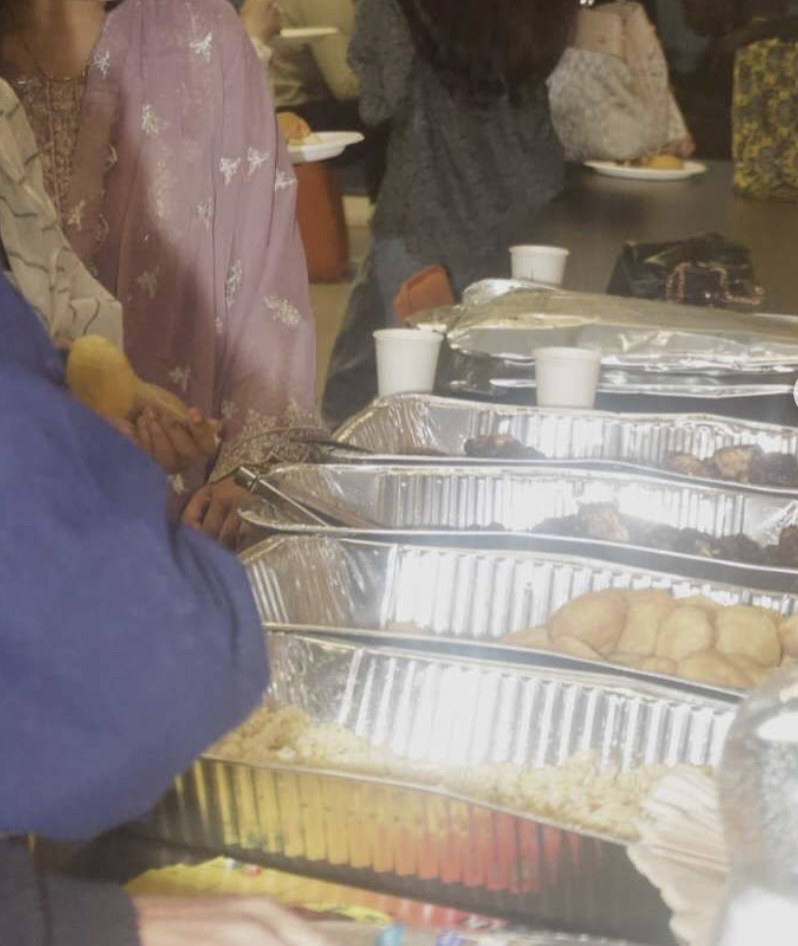
On 24 October 2025, I had the honour of attending the official Leeds Culture Day event, hosted by Leeds ACS (African-Caribbean Society), Leeds Law Society, and various other student organisations. The day was a true celebration of cultural richness, highlighting the diversity within the student body and the wider Leeds community. Through locally sourced Jamaican food, an eclectic mix of music from around the world, and a powerful talk on Caribbean culture, the event was a testament to the beauty of multiculturalism.
However, the standout moment of the day was the fashion show, where attendees showcased their vibrant, culturally significant attire. Those who wore cultural dress had the chance to walk the halls of Liberty, celebrating their heritage and proudly representing their nations. The overwhelming support for cultural expression was a moving reminder of the living, breathing nature of multiculturalism in the UK.
While the focus on cultural fashion was a highlight, the event also sparked a critical conversation about the complexities surrounding cultural attire in the modern world. Specifically, the question arose: How does one balance the pejorative views of their culture with their identity as a person of colour?
The Challenges of Cultural Clothing
A recurring theme throughout the event was the tension many individuals face when it comes to wearing cultural clothing. In many societies, especially in the West, cultural attire is often viewed through a lens of exoticism and performance, reserved for special occasions or events like Culture Day, rather than seen as an everyday form of self-expression.
Our own students delved into this issue, reflecting on how they navigate the delicate balance between embracing their cultural clothing and confronting the often-skewed portrayal of their culture in the media. Media plays a crucial role in shaping public perception, and for many, television and film are their primary means of exposure to cultures that are different from their own.
Sana, President of the ACS, shared her personal views on the significance of cultural dress in the media. She discussed the oversexualisation of Caribbean attire, particularly from her home country of Barbados. “I think in Media sometimes when people look specifically at Caribbean culture it can be oversexualised”, she said. “When people show up even in t-shirts and flags, it shows a different perspective on cultural attire.”
Caribbean culture, in particular, has often been subjected to pejoration in the UK. Stereotypes and fetishisation of Caribbean people and their traditions have been on the rise, distorting the rich, diverse heritage that these garments represent. These inaccuracies in media portrayal not only misrepresent the culture but also undermine its deep-rooted significance.
The Power of Fashion as a Form of Protest
The event also explored the difficult but important conversations around how cultural clothing is often seen as a form of protest against the pressures to conform to Western norms. Several participants, like Rogesha and Rihanna, expressed how cultural attire serves as a powerful symbol of defiance against the narrative that asks people of colour to “tone down” their identity to fit into a mainstream, homogenous view of beauty and modesty.
For example, Ibrahim highlighted how societal pressure often forces people of colour to downplay their culture and heritage. “There’s this expectation to be less, to blend in,” he said, reflecting on how this pressure to assimilate can sometimes be internalised. “But now, there’s a rise in more positive portrayals of diverse cultures, especially in the media, and that’s something to celebrate.”
However, Ibrahim also stressed the importance of avoiding the trap of superficial, one-dimensional portrayals of culture. “There’s a need for more individualised representation,” he said, referencing the complex, varied experiences of people from countries like Bangladesh. “It’s kind of like wearing your heart on your sleeve, it shows pride… it shows you’re ready for more complex conversations about culture to take place.”

The Rebranding of South Asian Clothing
Zara, another participant in the event, discussed how South Asian clothing, once thought of as cumbersome or “uncomfortable” by mainstream society, is being rebranded as a symbol of empowerment. “For so long, our clothing was associated with discomfort and submission. But now, it’s becoming something that represents femininity, strength, and self-expression,” Zara noted. She spoke to the growing recognition of South Asian fashion in global trends, praising the shift toward celebrating its intricate designs and empowering narratives.
Somali Fashion: An Overlooked Heritage
Nafisa also took the stage, speaking about the role Somali clothing plays in modern fashion. One student described the traditional elements of Somali attire, noting that, while Somali culture has contributed greatly to global fashion trends, it is often underappreciated and overshadowed in contemporary fashion discussions. “Somali clothing is not just about style; it’s about identity and history,” they said. It’s an incredible disservice that a culture that has shaped so many fashion innovations is not given its due credit.
A Personal Reflection on Cultural Clothing
A self-interview and reflection of my identity and its link to cultural clothing revealed a lot for me. The truth is, I used to feel like I was doing too much. I felt too loud in my Kente print, almost as if I had to be smaller to fit in. Cultural clothing used to give me pride, and I used to wear it with confidence. But as I grew older, I began to feel almost ashamed, like I had to shrink to avoid being perceived as ‘too fresh’ or ‘too much.’
But Culture Day had a liberating effect on me, as it did for many others. Culture is loud, big, and beautiful. There is space for us to march the streets in attire that makes us feel strong and connected to our nations and communities. And even if there isn’t space, we can make space.
A Moving Conclusion
Leeds Culture Day 2025 was a powerful reminder of the importance of embracing and celebrating our cultural identities, both individually and collectively. It highlighted the diverse ways in which students are redefining what it means to be proud of their heritage, to express themselves through their clothing, and to challenge societal norms. The event demonstrated that cultural attire is not just for special occasions but is a vital part of how we express who we are, where we come from, and where we’re going.
A huge thank you goes to those who participated in the interviews, those who attended, and the organisers who made the event possible. The conversations sparked on this day will undoubtedly continue to influence the growing POC fashion scene in Leeds. I look forward to seeing even more bigness, creativity, and cultural pride in the future.