
Submarine: What we Feel When We Start to Sink
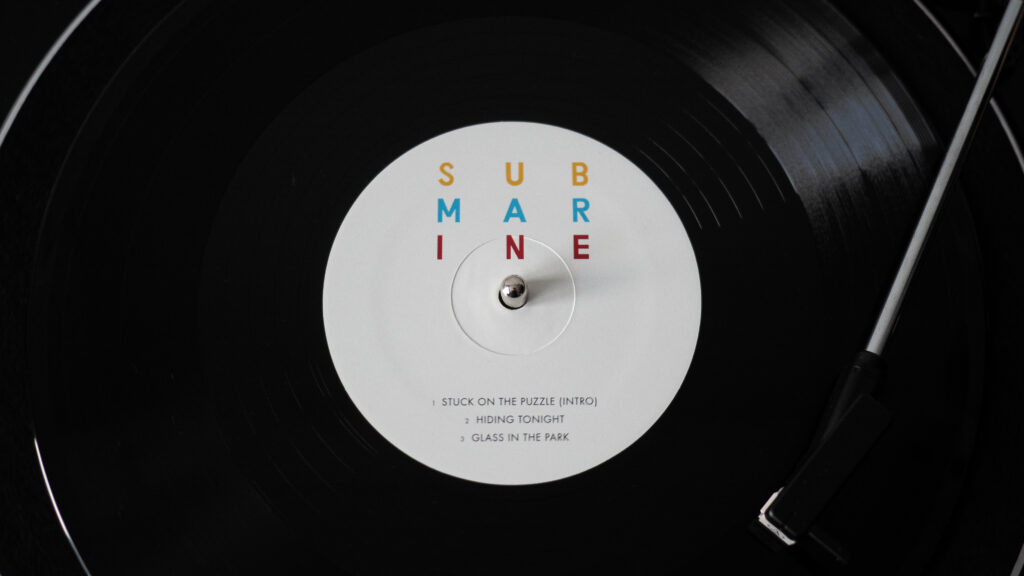
Image Credit: Riley Dunmore
Lily Rodney insightfully revisits Richard Ayoade’s Submarine, discussing the key elements of the movie.
I’d been meaning to watch Submarine for a long time after hearing glowing praise, and I’m happy to say it surpassed my expectations. Directed by Richard Ayoade, it’s arguably his most distinctive and accomplished work — a film that’s as visually striking as it is emotionally resonant. There’s little I could fault here, whether in the meticulous cinematography or the sharply observed storytelling.
Adapted from Joe Dunthorne’s more melancholic and understated novel, Submarine follows 15-year-old Oliver Tate as he navigates the messy territory of first love, high school politics, strained parents, and of course the existential questions of life’s purpose. Oliver’s matter-of-fact narration and deadpan glances directly into the camera are executed with such precision that they turn awkwardness into a kind of comedic excellence.
It’s the sort of film I wish I could watch again for the very first time and one I wish I’d discovered during my own teenage years. Yasmin Paige is outstanding as Jordana; even now I can hear her defiantly pronouncing her own name in that song-like Welsh lilt. In her striking red coat and blunt fringe, she’s both enigmatic and vividly real — a figure who lingers in the mind long after her screen time ends.
The title feels perfectly chosen. The film is quietly submersive, pulling you into its somewhat idyllic small-town Welsh setting. The wide, breathtaking coastal scenery can feel oddly claustrophobic. The characters seem caught in invisible currents they can’t quite escape. The sea itself is ever-present — mentioned in passing, woven into metaphor, and tied to Oliver’s father (played with understated brilliance by Noah Taylor), a marine biologist who feels as though he too is sinking: trapped in an unhappy marriage, uncertain whether his life’s work has amounted to any sort of purpose. This motif, paired with Alex Turner’s soundtrack, could not be more perfect. I’ve yet to meet anyone who isn’t entranced by his wonderfully innocent lyrics, which somehow capture the essence of every generation of character in the story.
The ending is beautifully fitting. On a cold, crisp beach, Oliver steps into the sea to prove his love for Jordana, wading further and further in without hesitation. It’s tender, understated, and quietly profound — a small act that says everything about their connection.
Submarine is dense with symbolism, lyrical dialogue, and carefully framed imagery. You could unpick its layers forever but it’s also one of those rare films that allows for both over-analysis and for it to simply wash over you. It’s a coming-of-age story that feels at once deeply personal and universally familiar, and it lingers like a half-remembered dream.
Words by Lily Rodney