
“Costume Art”: Untangling the Met Gala’s Most Elusive Theme
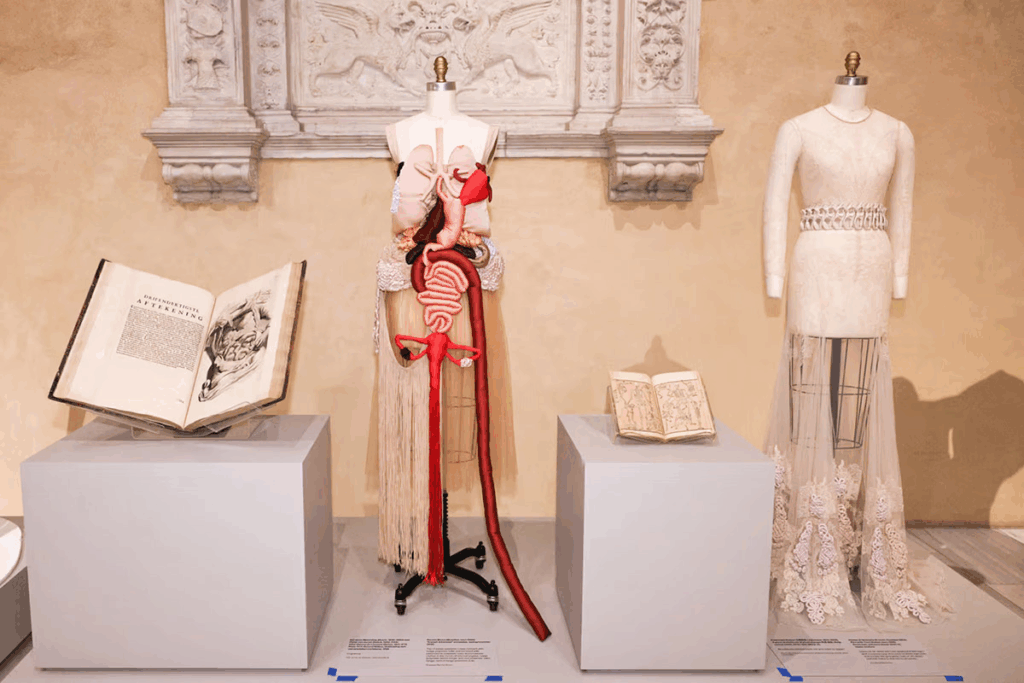
As another anticipated year for the Metropolitan Museum of Art exhibition is right around the corner in Spring 2026, so too has a new theme/ dress code for the annual event been revealed! ‘Costume Art’ – and it has left many both confused, and inspired?
Once an event reserved only for the social elite of New York in 1948, the Met Gala has slowly morphed into an evening for the public, with the addition of mainstream and new celebrities making it more inclusive and aiding its growth in popularity becoming the globally revered fashion event that we know of today. Unfortunately, its subsequent influence on the public has significantly developed within the media in the last decade, with the internet space acting as a critical voice for the event, and some even referring to it as a spectacle for our society’s ‘Capital’ – a reference to the dystopian high society of the Hunger Games, insinuating the rich simply use the Met Gala as a way of flaunting their wealth and privilege whilst the rest of the public suffer.
Although, this isn’t a totally incoherent thought, as some celebrities have attempted to make a political statement with their attire, I would argue that it has been significantly exaggerated to the extreme. The main way in which the designers seem to miss the mark on is their attention to detail in regard to the theme of the evening.The title theme of the Met Gala has always been up for interpretation, but a recurring pattern in recent years has been celebrities, stylists and designers producing lacklustre attempts or surface level attempts to the themes, which has often left the public and many enthusiasts of the event disappointed with the responses. I fear that this year won’t be an exception to this trend.
The term ‘costume art’, whilst maintaining traditional broadness may be inherently misleading as it presents very differently to the intentions of the Museum’s exhibition. Andrew Bolton, curator of the costume institute at the Metropolitan Museum stated in Vogue”Costume art is to insist on the significance of the body, or the indivisible connection between our bodies and the clothes we wear.” We can appreciate the link to the concept of the body and costume with the common denominator being fashion, as we can use our clothing as a performative form of expression. However, it feels as though the term ‘costume art’ doesn’t properly convey the significance of the body the way that the overall exhibition appears to do, which seems to focus more on the aspect of ‘the dressed body’.
The exhibition consists of a thematic series of bodies that ranges from ‘The Naked body’ to ‘The pregnant body’ and ‘The Aging body’. This choice to focus on and bring awareness to various body types is a commendable endeavour and which I hope will be reflected on the red carpet as it possesses the invitation for a wide variety of avenues for personal expression and creativity to show how these body types have been celebrated or subverted in the past or within the personal lives of celebrities. Proving that the Met Gala is a way of celebrating nuances surrounding the fashion industry rather than making them merely a spectacle.
Some things we could expect to see on the red carpet event are Moschino. Their recently released 2026 RTW Spring collection may indicate the brand being a big name for the met gala this coming year – a collection inspired by the 1960s Italian art movement Arte Povera taking ‘unwearable’ materials and transforming them into Avant Garde fashion pieces showing how we shape what we wear into what is essentially our own costume, we may see some more tailored/ sculptured pieces with interesting silhouettes or Anatomical inspired looks – perhaps a play on the skeletal system or organ structures of the body.
One person on Instagram by the handle @oldlosersinbrooklyn made the point that we might possibly see a surge of nude/naked illusions as an homage to the ‘naked body’ which, unless is presented as a well-structured subversion of the typical illusion dresses may read as a slightly surface level response. Due to the somewhat elusive theme, this may translate to a lot of famous artworks making their debut transformed into clothing, or re-imagined versions of the famous garments displayed in the Museum of costume art before it was absorbed by the Metropolitan Museum.
Some may lean into the ‘costume’ aspect, some may lean into the ‘art’ or some may lean into ‘the body’, but truly only time will tell to see how designers will interpret the theme come May 2026, until then we will hold our breath to see the new levels of innovation that will be reached.
Words by Yasmine Davies