
The Cure of Creativity: The Balance Between Heart and Mind
Sakshi Singh navigates us through the emotional journey of balancing creativity with the burden of perfection
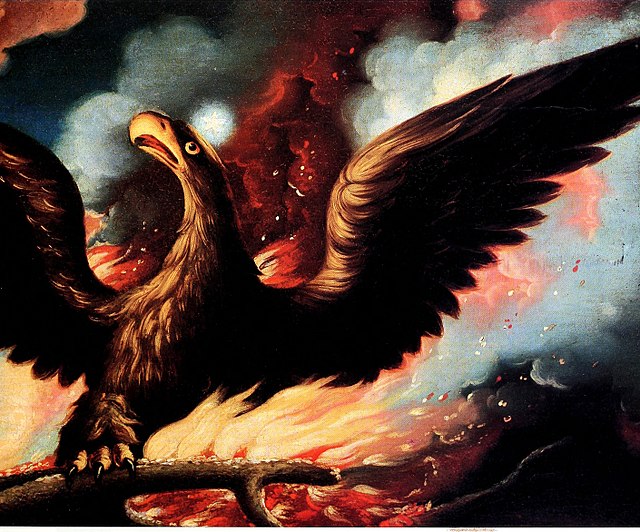
Image credit: Wikimedia Commons
The power of creativity is fueled by the heart – the source of imagination, passion and fire, but what if the heart takes over and the mind can no longer control?
The tension between the heart, which strives for freedom, and the mind, which wants perfection, ultimately causes the most silent battle faced by human beings. The question arises: what should we follow, our heart or our mind? It is the most common dilemma faced by creative souls. Talented as they may be, many creatives are cursed with the lifelong fight against the invisible battle within themselves.
Sometimes it’s all rainbows and sunshine from afar for these creatives, yet as you take a step closer, you can see that they have washed themselves down with their own rain; the pressure to do more, the doubt, the overthinking, and the constant questioning, “Am I good enough?”
But is anybody good enough in their own mind? We are all messed up in our own way, and showing the messed-up version is brave. Sometimes we must all take a step back from the idea of perfection and shoot that arrow, no matter how imperfect it seems.
The only way to surpass the curse of fearing an idealised perfection is to go through it. If you don’t listen to the heart, which carries instinct, desire, and the raw impulse to create, the mind takes over and tightens its grip. It overthinks, corrects, delays, and slowly burns these creative ideas alive. What remains in the end are ashes, the mind’s residue of doubt and fear, and the heart is reduced to embers of what it once wanted to make. Rising like a phoenix from that place is extremely difficult. Some people do by relearning how to trust the heart, but many cannot, because the curse convinces them the ashes are proof they should never have tried at all. It’s never too late to truly listen and make your soul satisfied.
There is no perfect time to start, apart from now.
How to balance the two sides?
There are a few genuine ways to make the chaotic mind at ease, some of which are the following:
- Shadow work– Nothing beats knowing yourself, mind and heart. Many people are unaware of their true nature, so how can you solve the issue if you don’t know the root cause? Shadow work simply means making relations with the unconscious part of ourselves.
- Breath work – Take time to breathe fully and allow the chance to feel the mind relax and sense the smells around you. Try to be in the present moment. Small pauses like this can create a big difference in our lives.
- Avoiding judgment– Create what you can right now without waiting for the “perfect” time or “perfection” in your work because perfection is an illusion. It will never be perfect for everyone. The perfection curse is sometimes the only lens we look through, which makes the creation process difficult, but you can only be you; that’s power.
- Pick relaxing therapies– You should choose the ones that are different from your creative process. Like if you’re a painter, choose music, or other relaxing activities, and if you’re a musician, choose gardening, or watching movies. Even having a warm cup of coffee or tea can start to soothe an overwhelmed heart.
- Journaling– Putting your thoughts on paper can be extremely useful, and writing clearly solves half of the issue. The more visibly tangible your thoughts are, the easier it is to navigate and understand them.
There is beauty in the mess of the heart and mind, but balancing it is equally important to function properly. As Lao Tzu once said, “The flame that burns twice as bright burns half as long”. By actively managing our thoughts and creativity, we can overcome self-doubt and fear.
This is the curse behind the gift, the constant push and pull between emotion and reason, freedom and control, creation and destruction.
But perhaps the secret is not choosing one over the other.
Not heart without mind, nor mind without heart, but learning to let them coexist, each giving shape and soul to the other. In the end, it is this delicate balance that allows a creator not only to make art but to survive it.