
Is Live Music Truly Accessible For All?
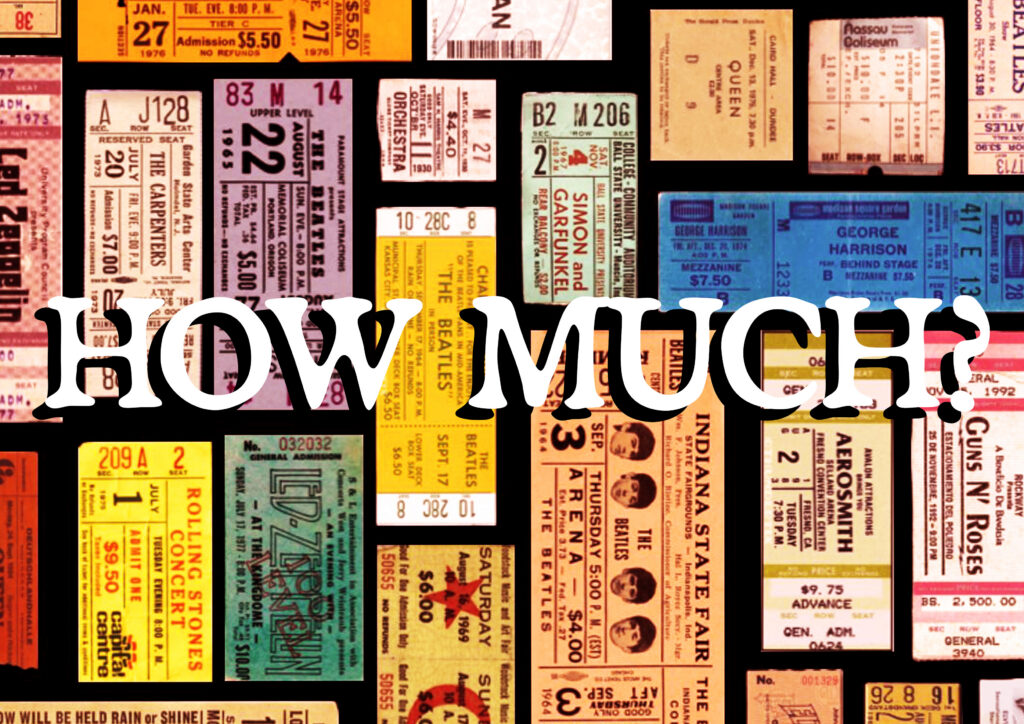
Collage by Arabella Wright
“How much?” The immediate question on every Harry Styles fan’s mind when they eventually reached the front of the never-ending Ticketmaster queue earlier this week. After the longer-than-usual break between Harry’s House (2022) and his upcoming album, Kiss All The Time. Disco Occasionally (2026), fans have been eagerly awaiting the tour announcement following the release of the lead single ‘Aperture’ last Friday. But what could not have been expected was the outrage of not only the absurd variability of prices, but the decision to make this tour a residency-only affair.
‘Together, Together’ is set to commence on the 16th of May for sixty-seven shows across Amsterdam, London, São Paulo, Mexico City, New York, Melbourne and Sydney, including a thirty-night residency at Madison Square Garden and twelve nights at Wembley Stadium, breaking the record held previously by Coldplay from last year’s ‘Music of the Spheres’ world tour. The difference between the two tours, however, is that Coldplay chose to play elsewhere around the UK as well, with stadium shows in Cardiff, Manchester, and Glasgow alongside four nights at Croke Park in Ireland. Harry’s team decided to remain only in the capital, ramping up travel and hospitality costs for fans who would, on previous tours, have been able to attend a show local to them.
Concert residencies do offer certain benefits, though. For the artists and those working on the shows, it reduces the physical and mental strain of daily travelling on traditional touring, offering the opportunity for a better work-life balance. They save on crew travel emissions and can create an experience custom to the venue to improve the overall fan experience. For the host cities, they benefit significantly from the tourism that travelling fans bring, increasing revenue for local hotels, restaurants and providing employment for hospitality staff. However, for other cities that may have benefited more from the economic development than the country’s already established capital, this style of touring ignores the opportunity to support emerging cultural hubs rather than reinforcing existing hierarchies.
But are residencies truly fair and accessible for the fans? The average person would have to figure out how to afford travel and hotels before even thinking about whether they could justify spending an extortionate amount on the actual tickets to the show. For Harry’s Wembley shows, ticket prices officially ranged from £44.10 to £466.24 for standard tickets, with VIP packages starting at £468.85 and reaching £725.45, all without fees. However, once fans reached the front of the dreaded queue, it was clear that there were very few tickets allocated within an affordable range. Furthermore, the difference in price between his previous ‘Love On Tour’ shows at Wembley three years ago and now is substantial, with a seat in the lower bowl once costing £110, now reaching upwards of £350. We are all, I’m sure, aware of the concept of inflation, but surely not by that much!
Across the pond, the sight is not much better. Ticketmaster confirmed that 11.5 million people signed up for the presale of the MSG shows, with approximately only 585,000 tickets available. Harry’s team probably expected this level of demand and henceforth priced a standing ticket at a whopping $1,182.40, equating to around £857. Whilst a lucky few who scored earlier slots in the queue were able to get these same tickets for less, many were disgusted at the seemingly dynamic prices and inaccessibility for the average fan to be able to afford to attend even one night of his residency.
The irony is that the marketing of this tour has relied heavily on the relationship Harry’s fans not only have with him, but also with one another. Large posters featuring pictures of crowds from ‘Love On Tour’ adorned with the mantra “WE BELONG TOGETHER” were found scattered across cities around the world. The promotional film used to hint at his return in December, titled Forever, Forever and directed by the incredibly talented Stella Blackmon, focuses on the beauty of the fan experience and the connection they found with each other by listening to his music. Fans are shown braiding each other’s hair, dancing, singing, all while waiting for Harry to come on stage for his final performance of that tour in Reggio Emilia. Many took to social media following the reveal of the ticket prices to voice how upset they were that their community was used to promote such an exclusive affair. How can all fans possibly be ‘together, together’ if the cost of a single ticket equates to two months’ worth of rent for some?
But this conversation is not new in any sense. Last summer, discussions surrounded Oasis, and the year before, Taylor Swift. In response to the ‘Together, Together’ prices, in his classic fashion, Liam Gallagher took to X on Monday to say, “HOW MUCH”. To be fair to him, he wasn’t wrong. Oasis priced their general standing at £151.25, with Harry’s equivalent at £333.45. Taylor Swift’s Eras Tour was slightly more expensive at £172.25, but many thought the three-hour performance by Swift, as well as two well-known accompanying support acts, made the experience well worth the money.
This is, however, ignoring the discussion of dynamic prices and the resale market. For the Oasis Reunion Tour, Ticketmaster utilised dynamic pricing to inflate the cost of tickets based on demand without any additional value for the fans who were purchasing. This led to obvious backlash, and the use of an invitation-only ballot to allocate the remaining tickets for dates after the original sale. Olivia Dean had a similar problem, with Ticketmaster and AXS listing resale tickets at over fourteen times their face value for dates on her upcoming North American tour. She, however, unlike the Gallagher brothers, directly called the companies out in an open letter, eventually leading to both corporations partially refunding fans to ensure they paid no more than retail price. The greed from ticket companies, who already love to rack up service charges, booking charges and any other sorts of charges they can get away with, is unprecedented, but is it truly necessary?
This matter of ticket prices is just one piece of collateral from a wider issue. The live music scene in the UK is struggling, with 125 venues closing in 2023, and 53% of those remaining failed to make a profit in the past twelve months, according to the Music Venue Trust. Ticket prices at these venues have barely changed in the past few years, with the average show costing only £11.56, or approximately two nice pints for those who like to think in that metric. While the cost-of-living crisis in the UK has impacted the ability of audiences to afford shows, many attribute the soaring costs of arena and stadium concerts and residencies eating up a lot of fans’ budgets for live music to see their favourite big artists, rather than discovering new artists at independent venues in the same way they would previously. While many larger shows, including the ‘Together, Together’ tour, now have a standard one-pound donation to support MVT and grassroots venues, are the prices still justified to be set that high?
Larger shows do, understandably, cost an awful lot of money to put on. Paying promoters, managers, venue costs, stagehands, venue staff, electricians, catering, scaffolding, rigging, medical staff, transport, creative directors, dancers, designers, insurance and an assortment of taxes all add up very quickly. But some artists have found a way to include everybody.
Only The Poets, an indie band from Reading, have made a start in the right direction. Across all of their tours, they have always set aside a portion of tickets for those from low-income backgrounds, but in September last year, they announced something unheard of in the music industry. A £1 gig at the legendary O2 Academy Brixton. With the intention to spark a conversation around how fans seeing their favourite artists had become a luxury, they believe that everyone deserves the chance to be inspired by live music, and that ability should not come down to whether you can afford a ticket or not.
The band didn’t stop there either. Only The Poets offered their support slot to unsigned artists who would never have had the platform or facilities to play a show to five thousand people. Furthermore, in partnership with Nikon and Jordan Daniel Logan, their tour photographer, ten aspiring photographers will be able to shoot the show in Brixton with free hire equipment and industry guidance. They are opening the doors to the music industry to all. I am almost certain the band won’t make any money from this endeavour, but the conversations they started surrounding accessibility to music will continue to be priceless.
Yungblud has also responded to the inflated ticket prices by creating his own festival, ‘Bludfest’. He felt as though the current price point didn’t represent the people who wanted to attend his shows and often clashed with festival organisers who charged up to £800 for a ticket. His event, hosted annually in Milton Keynes, charges only £73.25 as of 2025 for over twenty bands across the line-up.
I really do think all artists should consider their audiences before setting ticket prices. Matty Healy confronted the idea of paid meet and greets with fans, calling them “absolutely fucking gross” and challenged all artists who did them to take the money off the fans themselves to see how it made them feel. I think this same idea should be translated to ticket prices. If an artist or their team doesn’t feel they can go through the queue outside the venue and take the ticket cost from the audience one by one, they should reconsider their profit margins. Harry Styles’ fan demographic is roughly between the ages of sixteen and thirty. Would you feel that your show was worth taking £300 off a teenager? A student? A mother? A father? Anyone? Never mind the costs they incurred just to get to a single night of the residency. Something really needs to change.
While there were still thousands of tickets left after both the presale and general sales for select dates, there is no doubt that the historic twelve nights in Wembley will eventually sell out. But what I ask is this. Music should never become a thing of privilege. Never. It has been shown that live music can be priced fairly, and artists can fight back against dynamic pricing to ensure that their fans have the experience that they deserve. Residencies, while inherently part of the problem geographically, can be done thoughtfully to protect artists, their crews and the environment. But paired with inflated prices that reward wealth over artist loyalty, they undermine the communities that they claim to celebrate. Concerts thrive on the feeling of togetherness, and standing shoulder to shoulder with those who share the same values as you can feel like coming home. That feeling should not be reserved for those who can afford flights, hotels and three or four-figure tickets. To the people in power, please do better. If being ‘together, together’ only applies to those who can pay the price, the fundamental importance of live music has already been lost.
Words by Arabella Wright