
Rewilding the Lynx – should the Lynx be reintroduced to the UK?
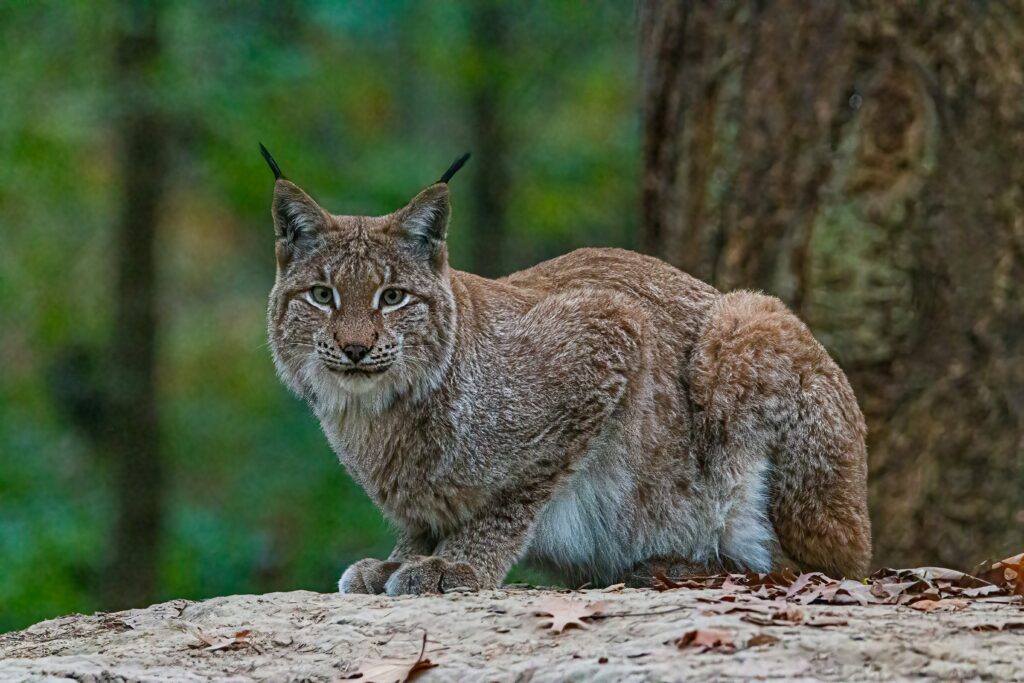
Image credit: kenny goossen on Unsplash
The UK is one of the most nature-depleted countries on Earth. That’s the shocking truth. And that, frankly, is an embarrassment. Have you ever noticed that we have no large top predators? The thing is, it absolutely shouldn’t be like that. Amongst a myriad of other species, the UK used to be home to the Eurasian Lynx, which went extinct around 1300 years ago from hunting and habitat loss. There’s a campaign to reintroduce them to the Scottish highlands and rural Northern England, and I think it’s a no-brainer.
The Lynx is what’s known as a keystone species, a vital part of the ecosystem which keeps the rest of the food chain in check. Without them, our ecosystems are under immense strain. The deer population in the UK is out of control because they have no predators. This puts pressure on crops, biodiversity, and most importantly my dad’s flower beds. The Lynx would also create what’s known as an ecology-of-fear whereby faeces and urine used by Lynx to advertise their presence would keep deer alert and on the move. This would prevent them from grazing too long in one area and destroying grass and new plant shoots. We already cull around 350,000 deer every year to try and control this. We can reduce this burden by reintroducing the deer’s natural predator.
So what’s the debate? Not only would the Lynx be a huge boost to the ecosystem but we also have a moral responsibility to repair the environment which we have been abusing. Reintroducing the Eurasian Lynx would be a massive step in the right direction. Also, it would promote eco-tourism. In areas such as Germany, where the Lynx has already been successfully re-introduced, there have been substantial economic benefits. The potential for seeing the lynx has led to increasing numbers of visitors venturing to the mountains where they now live. This has brought money into local communities and supports a wide range of jobs in the area. The same would be true of the UK. And finally, they’re unbelievably majestic and beautiful creatures. I think that’s a strong argument on its own.
There is a catch, however. The Lynx does not pose a risk to humans but there is a possibility that they would hunt livestock, mainly sheep. Farmers are understandably cautious about this but there is a solution. The Lynx has been successfully reintroduced across Europe with nearly 20,000 living from France and Germany all the way down to Croatia. Across Europe, livestock guardian dogs and more effective enclosures for farm animals greatly reduce how many are killed. Some losses are unavoidable and here monetary compensation from the government is used to ensure farmers don’t lose income. If we implemented similar schemes then we could reintroduce this incredible creature, repair our environment, and prevent farmers from suffering the consequences. It really would be a win-win for all involved.
We have a moral responsibility to repair the environment which we have been abusing. Part of this would be to reintroduce the Lynx which would restore balance to the food chain and ease the burden we have put on the environment. This has been successfully done across Europe but the UK is lagging behind, which is just one reason why the UK has been called one of the most nature depleted countries on Earth. Farmers are understandably unsure about the threat that the Lynx poses to their livestock. If proper measures are put in place, however, then no one loses and everyone wins.
Words by Frederick Newsom-Davis