Nostalgia with Neve Cariad
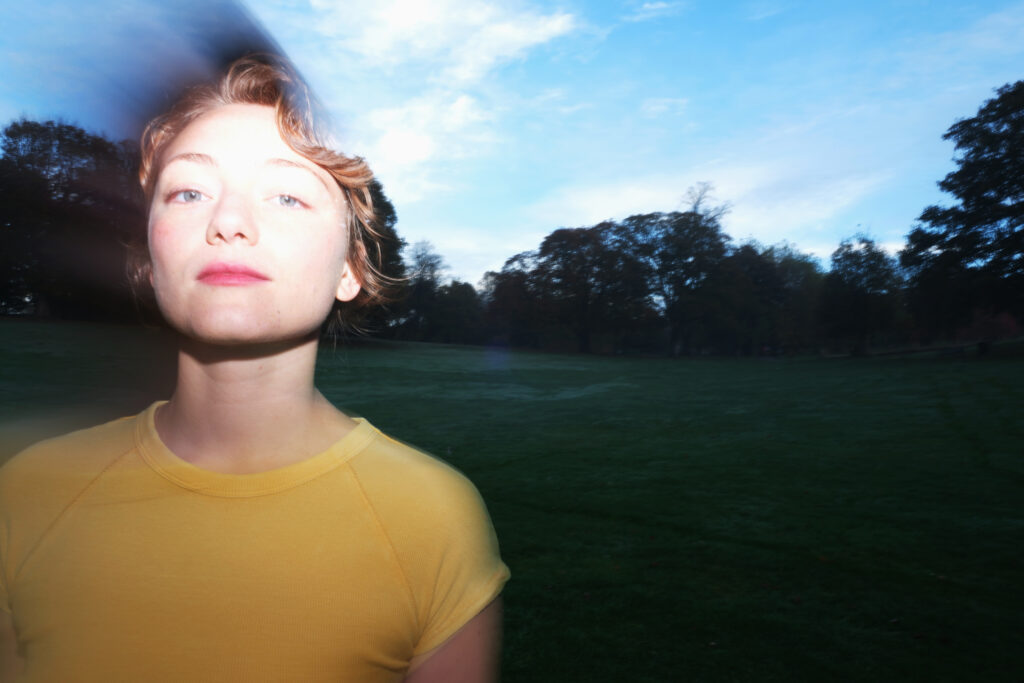
Image credit: Georgia Zimmerman
The Welsh-born Leeds folk musician talks about the familiar history of folk voices, processing life through art, and why communicating with loved ones via song can heal relationships.
In a fast-moving world focused on digital development alongside constant personal improvement and perfectionism, Neve Cariad carves out a space for reflection. With a maturity far beyond that expected of a debut, Cariad’s 2023 EP, Neve, is personal in its reminiscent tone but connected to other artists such as Joni Mitchell, Sandy Denny or the more recent Courtney Barnett and Julia Jacklin. Exploring themes such as heartbreak and grief, Cariad focuses on memory above all else: “nostalgia, to me, makes music sound better, but I think I have a very unhealthy relationship with nostalgia”. Questioned on why this dynamic is unhealthy, Cariad explains, “I feel like that’s where I get my dopamine from … I’m trying to constantly process through stuff. Looking at nostalgic imagery or painting nostalgic paintings or listening to old songs, watching old movies that I’ve seen many, many times, is really comforting to me. Maybe it’s not unhealthy, but sometimes it feels almost like an addiction”.
In its reach beyond her individual experience, Cariad’s relationship with nostalgia is subversive. Speaking about early folk influences, from Joni Mitchell and Sandy Denny, to John Martyn and Loudon Wainwright, Cariad tells me, “I just like the sound of folk voices. They sound like they hold a lot of history … I don’t know if this is just because I’ve grown up there but [Welshpool] has a lot of churches and graveyards, and there’s a castle and maybe because it’s quite a quiet, dull place, I’ve found a lot of magic in it and I feel like when I listen to folk music, it makes me think of my hometown … it makes me think of soil and nature, not archaic, but like it’s always been”. As Cariad searches with caution for the words to illustrate her ideas, I think back to something she told me about nostalgia affecting her “relationship with the present and moving forward”. Perhaps instead of simply moving forward, Cariad interacts with her own past as well as connecting with an intergenerational line of storytellers in order to better relate to the present. “I’m constantly trying to work out problems and answer questions that I have … I think going back to the past, or nostalgia, helped me connect themes and understand myself better”. In a society that demands we ‘live in the present’, Cariad’s music questions our understanding of time as linear – why is it that experiencing something after it has happened is seen as the wrong way to interact with time? It is in these shadowy nuances that Cariad’s storytelling is quietly revolutionary.
Music is a way to connect to the present for Cariad. By excavating memory and feeling, she writes songs that come closer to authentic communication in her relationships than conversations. With her dad, Cariad tentatively explains that “we both find it quite difficult to express how we feel or say what we mean”. Instead, songwriting “allows me to access those difficult parts without needing to apologise for them”. In this way, “performing protects me, I suppose … him being able to hear those truths and not react is really important for me and quite healing,” though “being able to present that to my dad was really scary the first time because he could react really well or he could walk out”. Cariad tells this story with care, anxious not to paint anyone in a bad light, but the ultimate positive emotional reaction from her dad at that first gig makes both Cariad and I well up. “I was quite afraid for a while that the songs would make that relationship worse or offend him somehow … and then I realised that it was really important for our relationship to be honest”. Cariad is comfortable with corners of this understanding being left untouched, unexplained, “not everything has to be spoken to be understood … I’m going to leave it that way because it’s about how you interpret it”. Anyone who is a fan of music will feel an affinity with this – as listeners, we interpret and refract music through our own lives, projecting our individual selves onto songs and merging them with what we can garner from the artist’s experience. In media, artists are often criticised for mystery in their personal lives, for not explaining every lyric whilst the listener remains anonymous, holding their truths hidden. I feel this vulnerability imbalance, a demand for artists’ transparency from anonymous listeners, through talking to Cariad and am overwhelmed with a gratitude for artists taking time to process their fears, flaws and messes. “The art of it softens it a bit too … it’s made into something beautiful … it can be turned into something positive. Not that all art has to be pretty, but the ugliness is sort of transformed, isn’t it?”
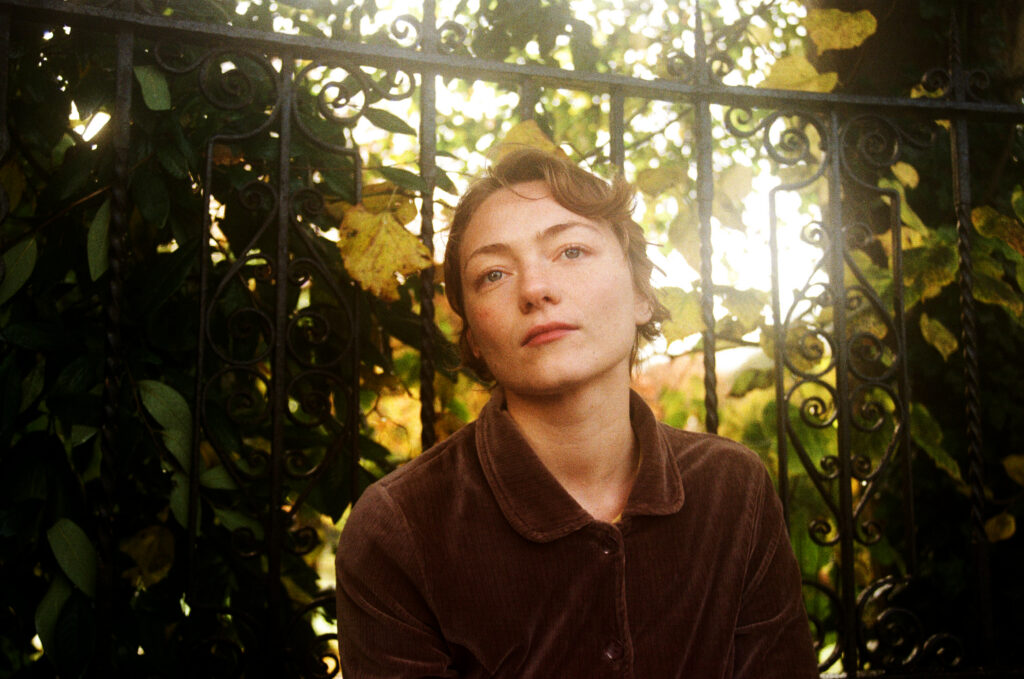
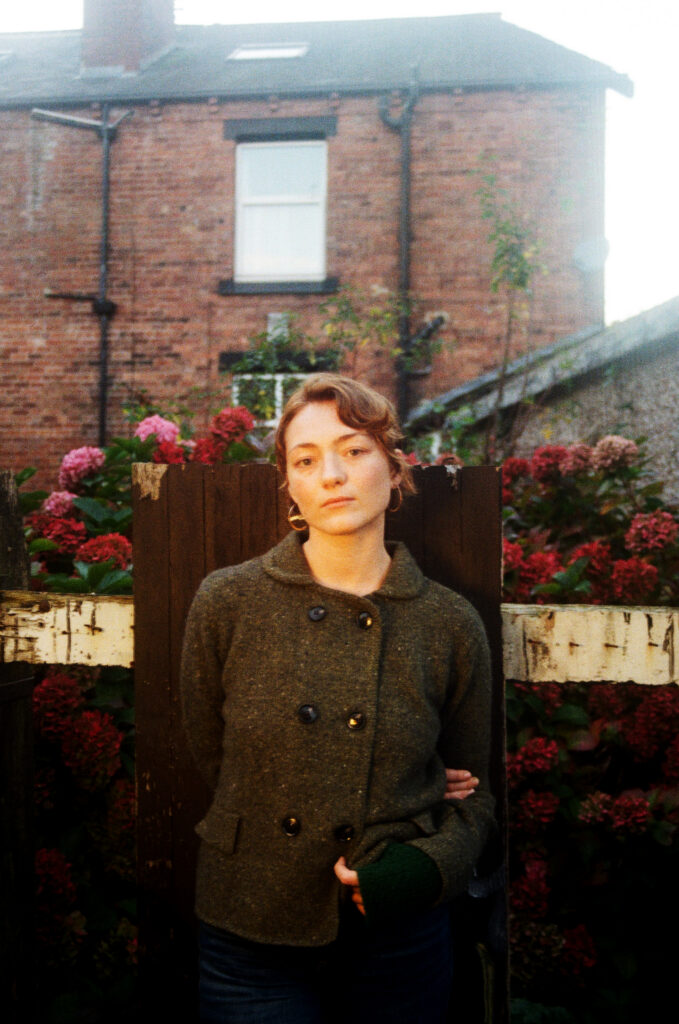
Art as communication is central to Cariad’s process, from painting to songwriting to nostalgic inspiration. “Painting is such a vital part of my songwriting process … I go through little phases where I’m very music-oriented … and then I will be quite visual-oriented … they sort of come in seasons”. What seems to unite these periods of creativity is, somewhat surprisingly, a lack of conscious attention. John Lennon once said that “life is what happens when you’re busy making other plans.” Similarly, with Cariad and making art, “the piece that you end up liking is what you make when you were making other things … you might have a long period of processing something and then you’ll go away and do something else and I think that switching off of the brain into the subconscious helps it come to the surface, it resolves itself through you doing something mindless”. On making visual art that she doesn’t like, Cariad is comedically fast to admit that “when you’re trying to paint something and it genuinely is shit, I find it really hard to accept”. Ultimately though, “that is often where most of my best paintings have come from … I can kind of work around the mistake instead and something better occurs”. Like with nostalgia not being the enemy of progress, Cariad surmises that “mistakes or failure are not the antithesis of something good. It’s not a linear process.” “In terms of writing, I’m realising this more and more, writing about what is honest and what feels difficult to say and taking risks with your creative decisions will always create something good”.
Cariad is more nervous for the new album. “There’s more pressure. But I still don’t feel that perfectionistic around it”. Until Cariad finishes the album artwork, we will have to wait what new, familiar nostalgia she has decided to share with us.
I met with Neve Cariad during the Independent Venue Week section of her tour. In Leeds, she has played Hyde Park Book Club and the Brudenell Social Club, amongst other venues. One a renovated petrol station, the other a converted working men’s club, these two particular places have become integral to Leeds’ music identity. Without them, these physical spaces home to many of the gigs Neve tells about, would leave a tangible absence. Without them, there would be less sitting around drinking and laughing, less meeting new people, less ‘wasting’ time in the favour of company, creativity, and music. With them, however, people across Leeds’ – young, old, music fans, families, students, academics, etc – congregate to listen to live music together, to share an experience, a point of commonality. This shared interest is healing in the presence of folk, of live music generally and its quiet euphoria. These spaces, experiences, and their potential, is just some of why independent venue week and celebrating grassroots art is more than just indulging creativity, it is an antidote to the increasing polarisation of our cultures.
I leave our conversation feeling deeply moved. Cariad deservedly joins the history of artists who take the leap of faith to write about what they are afraid of and what moves them most. Whether tackling honest conversations, writing poetry of our own, taking up a new art form, or simply in our own thoughts, Cariad inspires something akin to bravery. As I leave the interview, I reflect on our modern world, adamant that the conversations that bridge and connect must be more important than the ones that separate and polarise. Maybe Cariad gave me the courage to conclude my own writing on a note of self-revelation.
Words by Francesca Lynes, images by Georgia Zimmerman