
Leeds Palestinian Film Festival: ‘Women, Film and Resistance’ Review
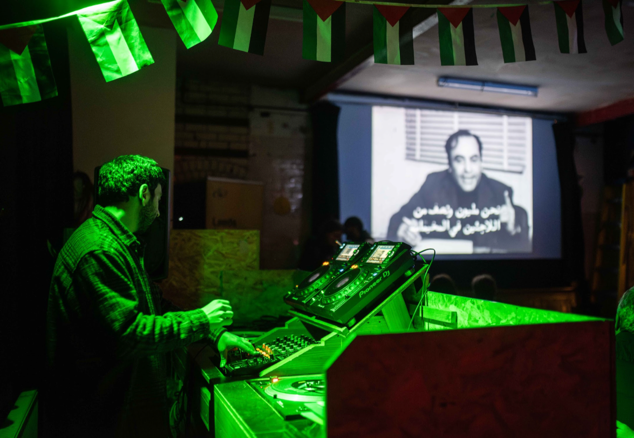
Image Credit: Leeds Palestinian Film Festival
Lily Rodney reviews the ‘Women, Film and Resistance’ event as part of the Leeds Palestinian Film Festival, and also interviews Frances Bernstein, a festival director.
Now in its eleventh year, the Leeds Palestinian Film Festival has become one of the city’s most vital cultural events—one that insists on holding space for stories that might otherwise be silenced. I had the privilege of interviewing one of the festival directors Frances Bernstein, where it became immediately clear how deeply rooted that mission is.
“I wanted to do something about Palestine,” she says. Traditional political campaigning never quite felt like the right fit, but film did: “It’s a brilliant way to take the message to a much wider audience… and to provide a platform for Palestinian voices, Palestinian films, directors, speakers.”
That ethos was at the heart of Women, Film and Resistance, a sold-out evening dedicated to the perspectives of Palestinian women living through the ongoing genocide in Gaza. The event was shaped in partnership with filmmakers based in Gaza and pays tribute to an astounding act of cultural resistance: the first Gaza International Festival of Women’s Cinema (GIFWC) taking place in Gaza City in October 2025, an achievement Frances describes as transformative for the festival.
“It’s taken us to a different place, “she explains, “where we are actually connecting with people in Gaza, making films and organising film festivals.”
The evening opened with a specially recorded interview with Dr Shalh from Gaza, delivered amid power cuts and an unstable internet connection—conditions that highlighted how easily we take reliable communication for granted. Despite these challenges, hearing from Dr Shalh, the organiser of the Gaza International Festival of Women’s Cinema, was profoundly inspiring. He spoke about the importance of film as a legacy for the Palestinian people, particularly for women, describing filmmaking as an essential act of defiance—one that the world must continue to support.
The three short films were then shown consecutively. The first, Selfies, directed by Reema Mahmoud, is part of an anthology of twenty-two short films produced by Rashid Masharawi. Framed as a poetic letter to an unknown friend, it captures the everyday gestures of survival—the small moments of tenderness and quiet hope that persist for women whose identities have been stripped away by the violence surrounding them.
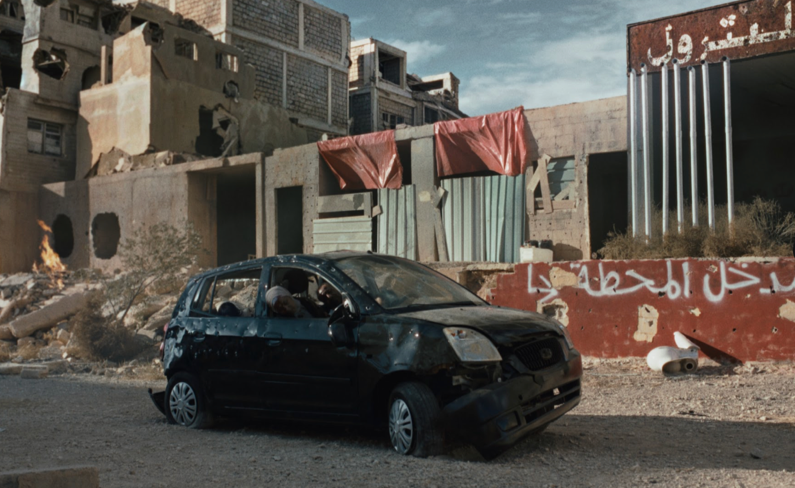
Next came Hind Under Siege, a re-enactment of the killing of six-year-old Hind Rajab. The post-screening discussion around this film was particularly striking. Leeds-based Palestinian doctor Suesanne Samara argued that the film was “not disturbing enough,” where the despicable events that took place were even worse than the film presented. British Palestinian actor Sarah Agha, however, suggested that films still need to be watchable if they are to reach audiences who might otherwise turn away. This tension speaks directly to Frances’s own reflections on programming the festival:
“A lot of films about Palestine are very depressing. We try very hard to find a balance—films that are informative, but also hopeful… the artistic quality influences how much impact it will have on people.”
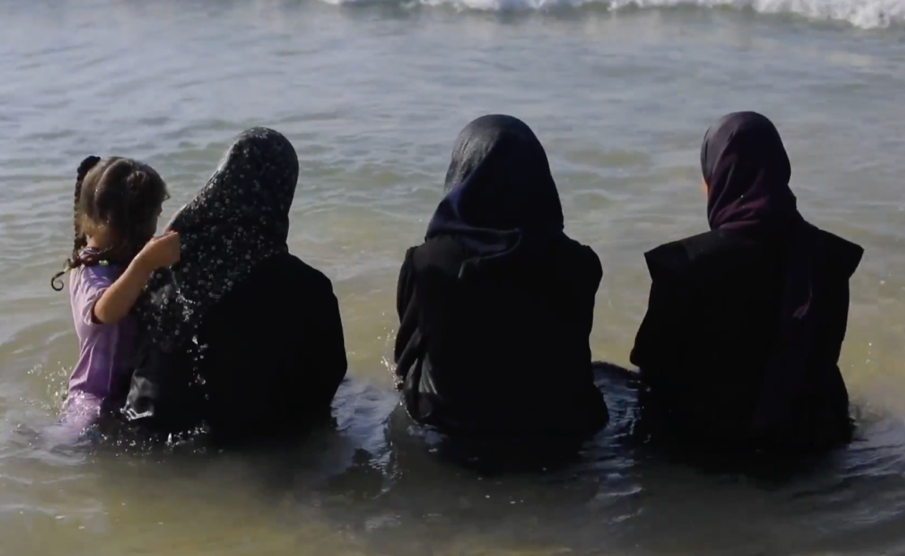
The final film of the evening, Very Small Dreams, was the most poignant for me. Shot in Gaza’s refugee camps, it documents women’s struggles to obtain even the most basic necessities—clean water, menstrual products, a safe place to give birth. The women speak with a matter-of-fact steadiness that feels almost unbearable. Suesanne noted that the Palestinian women never complain—they simply state their horrific reality.
If the films revealed the scale of Palestinian women’s suffering, they also highlighted resilience, community, and a refusal to surrender the narrative of their own lives. And for young people in Leeds—students in particular—this kind of human-to-human encounter feels crucial. Frances sees this as an important aspect as to why the festival matters:
“Students are politically engaged, but the films give them a different perspective. Human to human.”
The Leeds Palestinian Film Festival is sustained by volunteers, many of them young people who have found in it a space of learning, solidarity, and action. And the team hopes audiences don’t stop at just watching.
“We want people to come away thinking: how can I do more?” Frances says.
The festival hosts events all year-round, and encourages attendees to sign up, support, organise, and keep listening. The mailing list is linked here if you want to keep updated with what this wonderful film festival has to offer.
Words by Lily Rodney