
Denim: The Staple Slave Fabric
Abena Assiah examines the troubled and complex history of one of the industry’s most favored textiles, denim.
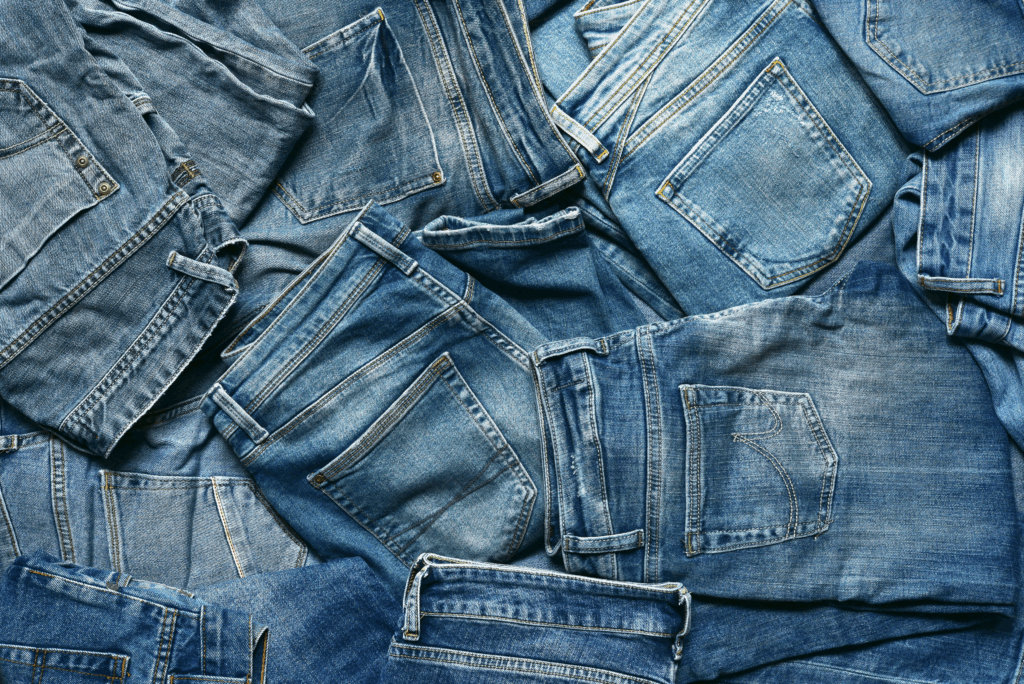
The materials our clothes are made of carry a myriad of meanings. In times where meanings are trivialised, we often forget that what we wear is woven from stories long before the invention of social media.
Denim, formerly known as the slave fabric, as it relied on slaves producing cotton and indigo. What is now known as a fashion staple started with 16-year-old Eliza Lucas, who took over her father’s plantation in South Carolina (University of North Carolina Press, 1972). Lucas successfully managed it – producing a third of the colonies’ indigo before the Revolutionary War. The South’s production of indigo made them rich. So rich that the Governor of Georgia legalised slavery to fuel indigo production (Stevenson, 2022).
Modern-day wear – including jumpsuits, jackets and many of our accessories – originated from slave uniforms. These garments became synonymous with the civil rights movement, donning reclaimed versions of this uniform in an act of remembrance of the ancestors they were fighting for. Miko Underwood founded The Denim Collective, with this same activism in mind, aiming to highlight the inequalities of denim. The collection documents the history of denim, including gory aspects. Such as when indigo was used as a currency for the lives of enslaved people.
With the contexts revealed, it makes the ideas that denim brands hold today are even more interesting. A case to note is the American Eagle advertisement featuring Sydney Sweeney. The ad attempted wordplay between genes and jeans, yet managed to miss the mark completely. “Jeans/Genes are passed down from parent to offspring”, Sweeney said in a sultry tone. She continued, “My jeans are blue”, whilst the camera zooms in on her blue eyes, ending with a narration reminding us, “Sydney Sweeney has great genes/jeans”. I’m sure she does… But why?
That was the genuine question many were asking since the advert focused so little on the jeans she was wearing. Then there’s no choice but to focus on the genes on display. What makes them better than the average?
Many followed the same line of questioning, opening up discussions about eugenics and white supremacy. The intentional choice to repackage the roots and history of denim to align with (seemingly) white supremacist values was disheartening for the fashion industry. Fundamentally, the contributions of black Americans to fashion, both in cultural innovation and physical labour, cannot and should not be separated from our modern-day enjoyment of these materials.
Words by Abena Assiah